Building stronger bones for a healthy active lifestyle
Stronger for Longer Programme
Don't let the fear of brittle bones stop you
Osteoporosis and Osteopenia affects 1:3 women & 1:5 men across the world with fractures happening every seconds due to bone mineral loss.
Medication has been helpful in the struggle of preventing and maintaining bone mineral loss, but many are looking for extra support or alternatives to a lifetime of medication.
This is where we come in, expert and experienced care in helping people maintain and restore their bone mineral density through exercise and lifestyle changes.
What is Osteoporosis & Osteopenia
These conditions represent two different levels of a decrease in bone mineral density. Osteopenia is the first step that can lead onto Osteoporosis. Your level of bone mineral density is confirmed by a DEXA scan, which is painless scan of typically your pelvis and lumber spine.
Causes of Osteoporosis & Osteopenia
There are a number of reasons people can develop these conditions. Some of these are genetic meaning the causes are beyond your control in terms of avoidance, but they can still be improve. Other causes can include:
Parathyroid disease
Early menopause
Hyperthyroidism
Crohns & Coeliac disease
Low calcium intake
Low body weight
Smoking & Drinking
Poor balance, co-ordination and reflexes
Breast cancer medication
Steroids – 3 months + of use
There are many more. See this website for more information
What are the signs & symptoms
Having osteoporosis means you're more likely to break a bone than the average adult
As bones lose strength, they can break after a minor bump or fall. These are known as fragility fractures. A broken bone and a fracture are the same thing. When we speak about the symptoms of osteoporosis, we are referring to the broken bones it causes, and the impact these broken bones may have on your body.
The main issue that needs to be taken into consideration is having a fracture of this nature without the typical force required to fracture a healthy, non osteoporotic bone. We call this a red flag and need to refer you to a GP straight away for further testing.
Some spinal fracture are painless and therefore much harder to find. However signs like; unexplained back pain and muscle spasms, height loss & a sudden change in spinal curve or posture can highlight further investigation is needed.
What tests and scans can be performed?
Your GP is the first port of call for this. We are happy to refer you with an accompanying letter detailing your case if needed.
You GP may complete the following:
FRAX – Fracture Risk Assessment
Bone density scan – DEXA
It is possible you are referred for X-rays. bone marker tests or REMS (Radiofrequency Echographic Multi Spectrometry).
Medical Support
GP prescribed medication & suppliments
GP are best placed to advise you on medication & supplements to help with low bone mineral density. Medication typically works in two different ways:
Slowing down the cells that break down bone (osteoclasts) – known as ‘antiresorptive’ drugs
Stimulating the cells that build new bone (osteoblasts) – known as ‘anabolic’ drugs
Speak to you GP for the best advice and guidance on improving your bone mineral density through medication & supplements.
Stronger for Longer Programme
We offer support in three ways
1) Medical, Physical & Strength assessment
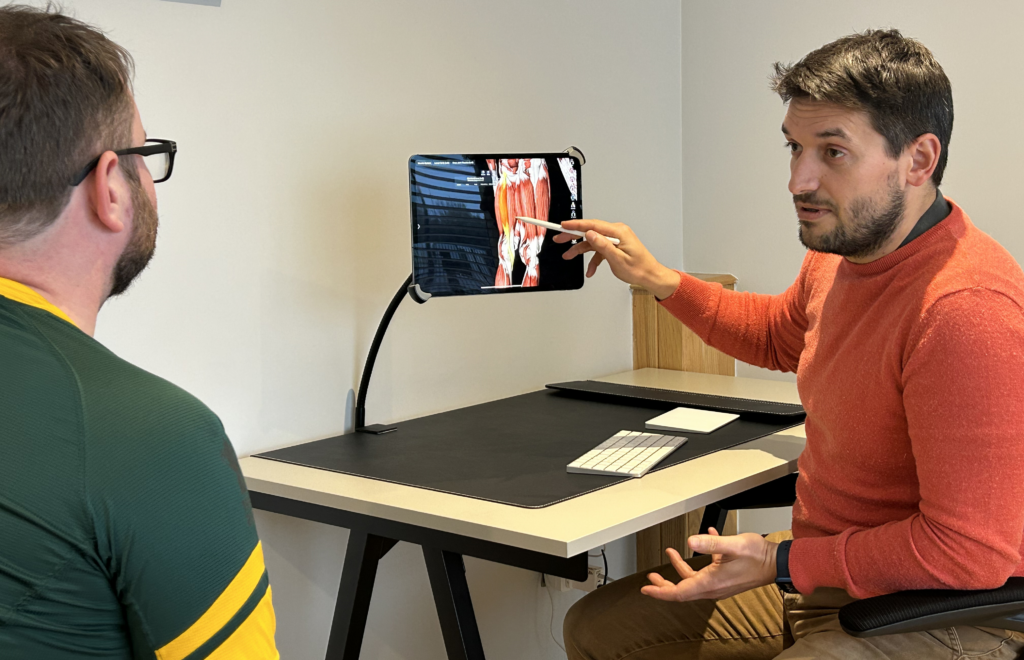
We gather a detailed history of your symptoms and any tests you have completed to understand what position you are in
2) Exercise programme & Lifestyle guidance
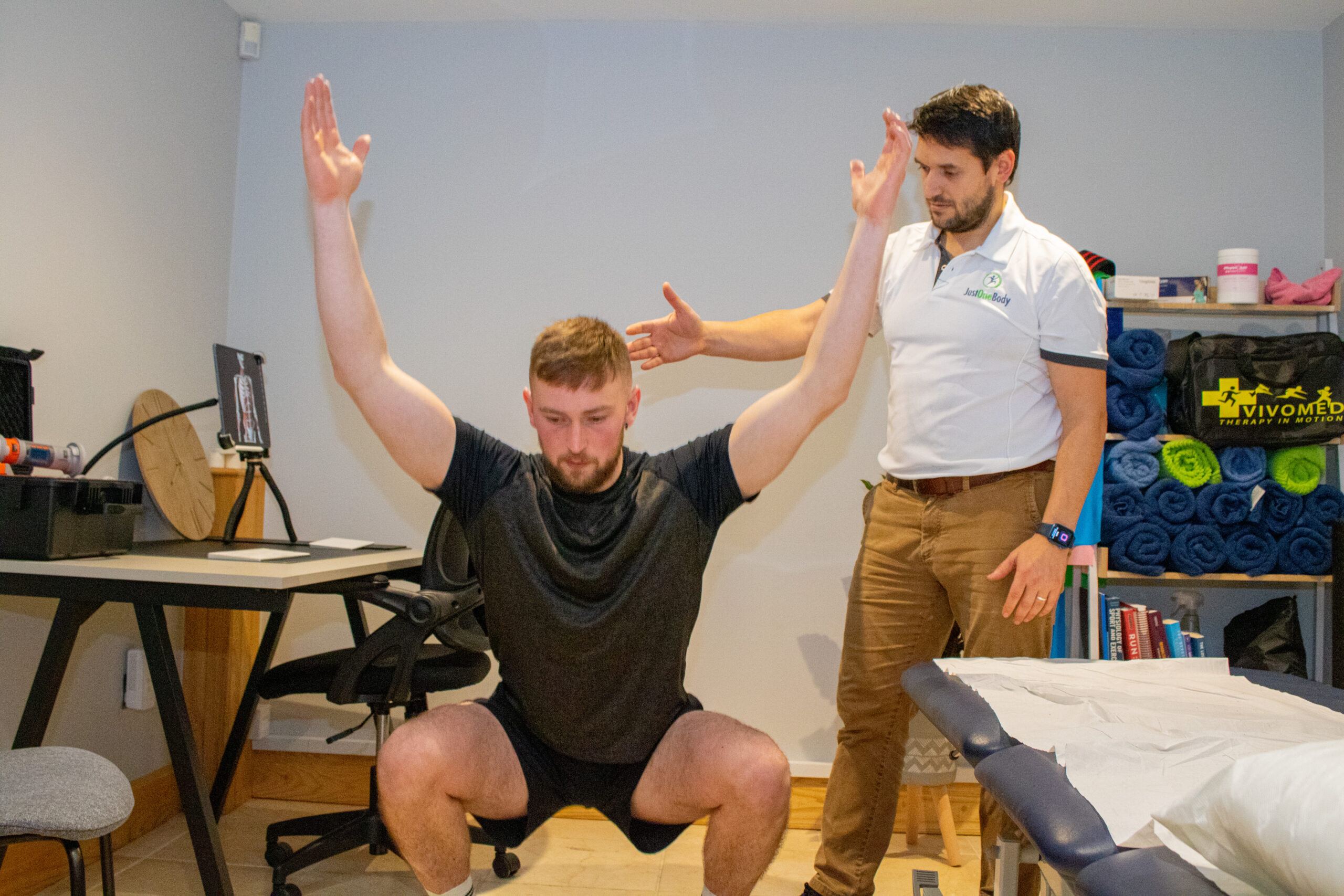
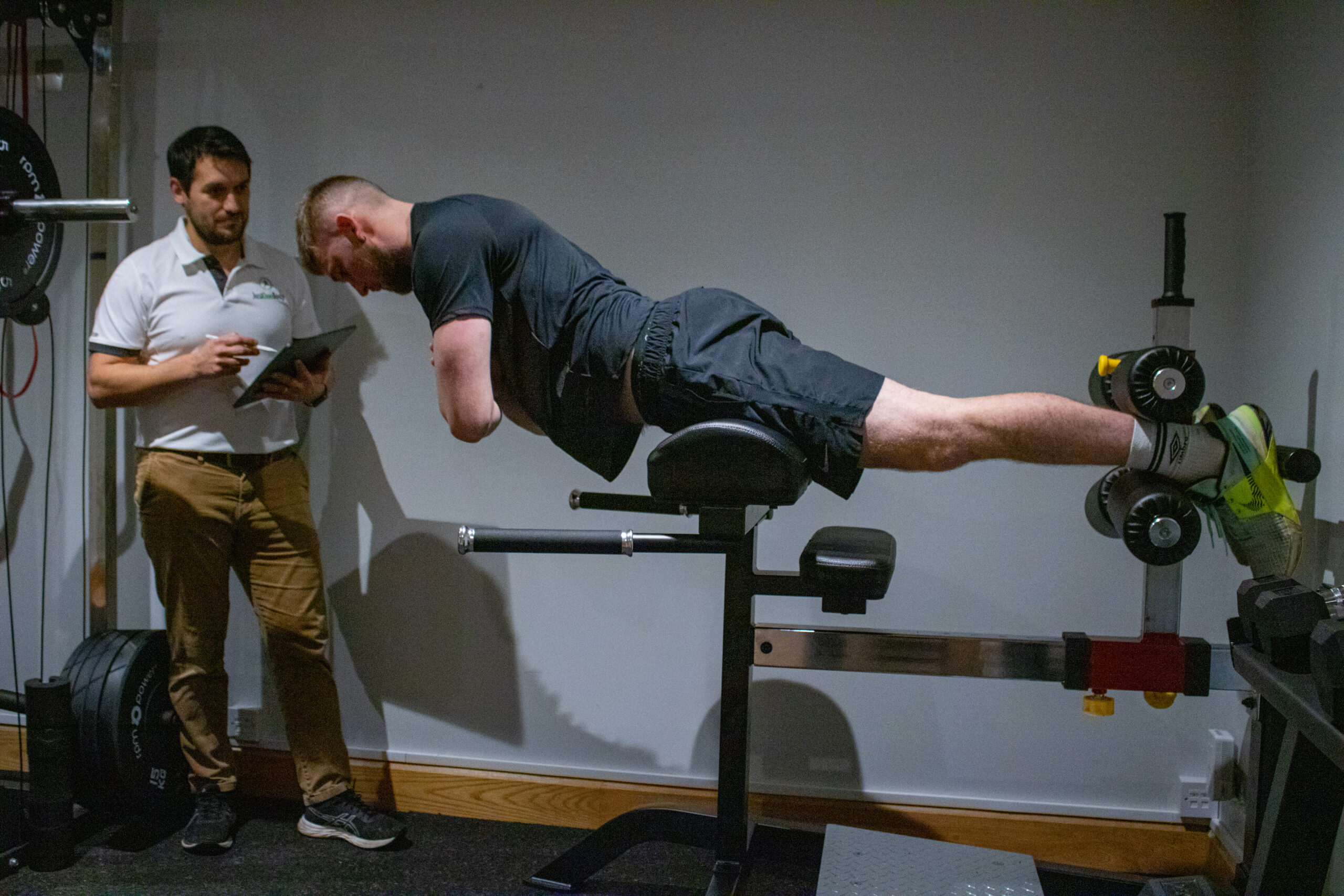
Designing a training programme matched to your ability and confidence levels. Teaching you the technique and tips to help you train safely and effetively.
3) Ongoing support & care
Check in appointments, regular 1:1 or 1:2 training sessions and 3, 6 9, & 12 month reviews of your physcial & medical assessment.
Book a free consultation
Start your journey to improve you bone mineral density
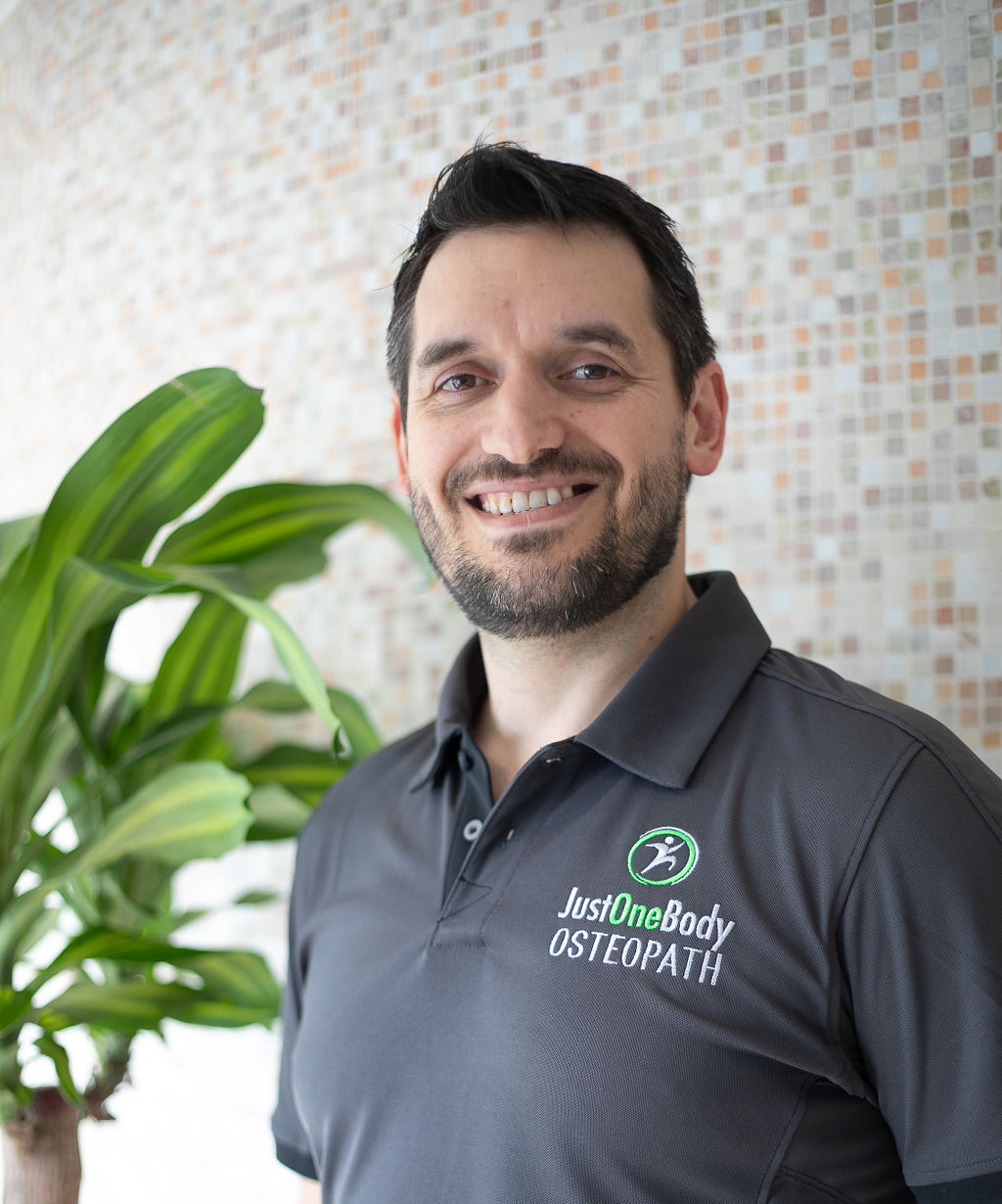
Speak with Kieran our Osteopath, Exercise Rehabilitator and Clinical Director to explore the support you need. He will listen to your aims and objectives and guide you to the package of support needed.
Kieran has worked with patient with Osteoporosis and Osteopenia for over 20 years. Initially working with Kieser Training in London and Cologne, Kieran combines his knowledge of exercise prescription and rehabilitation to the challenges faced with low bone mineral density.
His caring and practical approach to helping people exercise and stay active helps you become confident in your bodies ability to move and stay healthy.
Our New Ross clinic is easily accessible from Waterford, Wexford and Kilkenny from the N25 or through New Ross.
We have onsite parking at the front of the building with easy access from the main road.
We are wheelchair friendly with ramp access and suitable space inside to accommodate a wheelchairs width.
You use our Eircode: Y34 Y594 to get simple instructions from your Sat-Nav to our front doors.
The building is safe, secure with managed with our friendly reception team.