
Osteopaths, physiotherapists and chiropractors all assess and treat muscle and joint problems like back pain, neck pain and sports injuries. They overlap a lot. The main differences are where each profession came from and what it is known for, and the person treating you matters more than the title over the door.
It is one of the questions I get asked most, so here is a plain guide to help you choose. Prefer to watch? The video gives you the short version.
Written by Kieran Lowe, OCI-registered osteopath, Just One Body. Last reviewed: 18 November 2026.
Hands-on, looks at the whole body
Exercise rehab, strong hospital base
Focuses on the spine and the adjustment
All three treat back and neck pain.The person and the plan matter more than the title. Read on for what each one does, and what the research says about the click.
If you have a sore back, any of the three is a reasonable place to start. The differences are mostly about style and emphasis.
All three train to degree level, usually four to five years.
All three start by asking about your pain, your health, your work and your sport. Then they look at how you move: how your joints bend and turn, where it is tight or weak, and simple nerve tests where needed. A good practitioner explains what they think is going on before any treatment starts.
All three use hands-on treatment, such as joint mobilisation and soft tissue work, to ease pain and help you move more freely. All three also give you exercises to do at home or in the gym, because exercise is what keeps the improvement going. The mix differs: osteopaths and chiropractors usually do more hands-on work, physios usually lean more on exercise. Most good plans include both.
Back and neck pain, sciatica, stiff or sore joints, headaches that come from the neck, and sports injuries are the everyday work of all three.
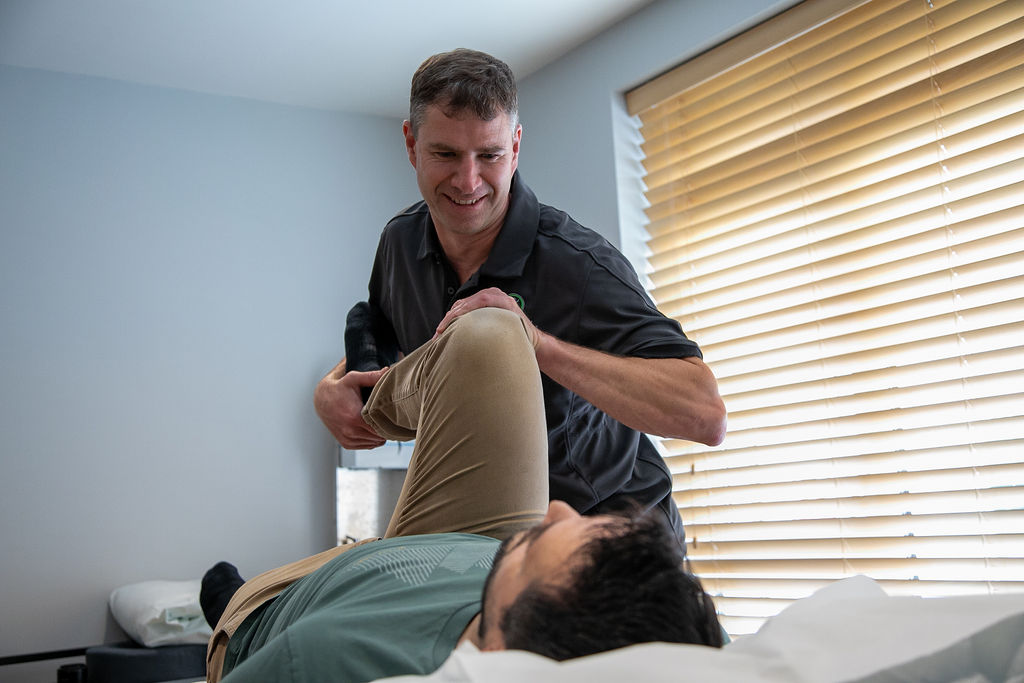
An osteopath looks at how your joints, muscles and posture work together. Pain is not always where the problem is, so we often check the areas above and below the sore spot.
Osteopathy was founded by Andrew Taylor Still, an American frontier doctor, who dated its start to 1874. He opened the first school in Kirksville, Missouri, in 1892.
Osteopaths in Ireland usually train on a four or five year degree, many of them in the UK. The professional body here is the Osteopathic Council of Ireland.
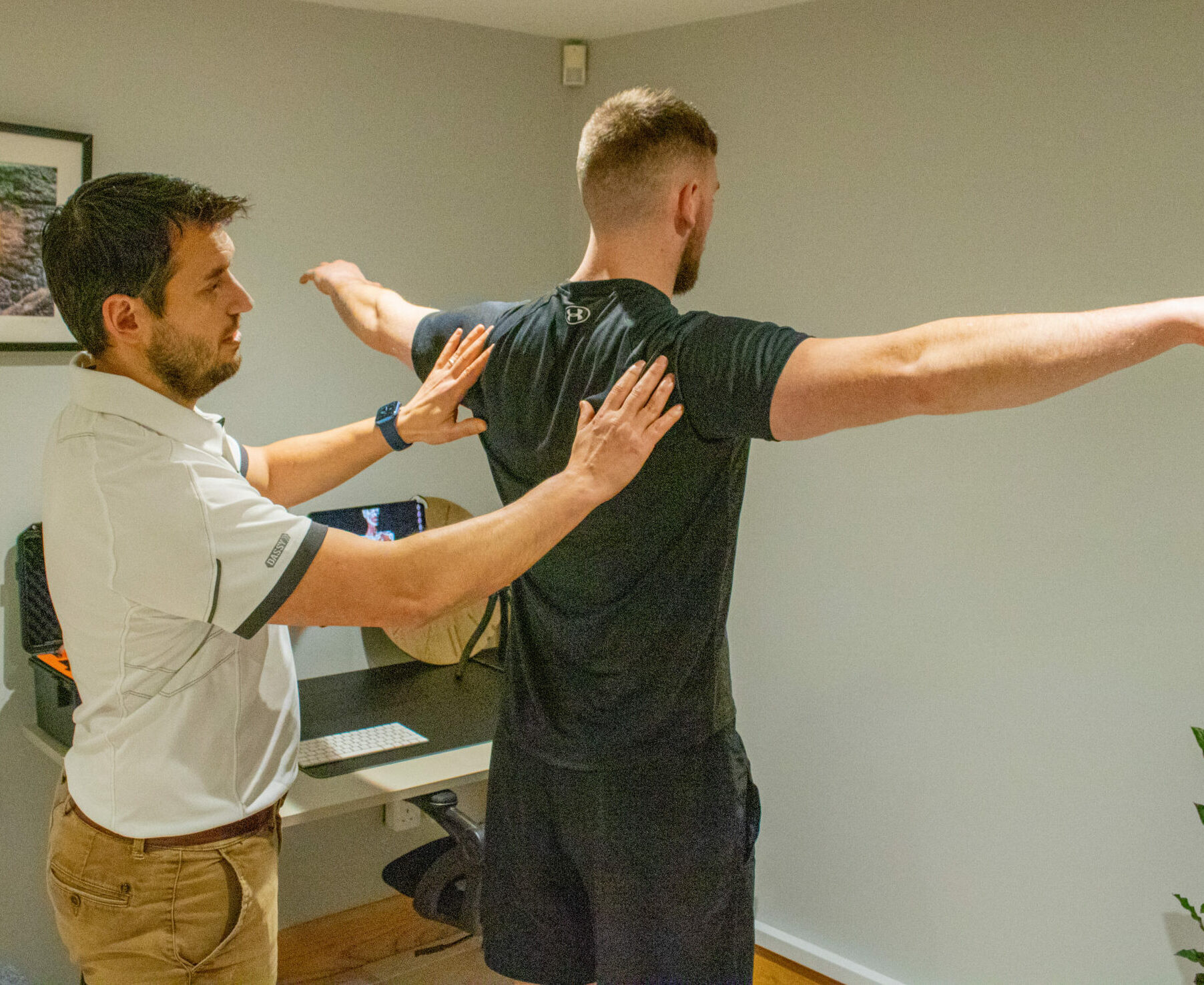
Physiotherapy is a broad profession. In clinics, treatment for back pain or an injury usually leans on exercise and rehab, often with some hands-on work.
Physiotherapy grew out of the medical gymnastics taught by Per Henrik Ling in Stockholm from 1813. It became an organised profession in London in 1894.
Muscle and joint problems, heart and breathing conditions, and neurological conditions such as stroke. Many work in hospitals.
In Ireland physiotherapists train on a university degree, typically four years with around 1,000 hours of clinical placement. The professional body is the Irish Society of Chartered Physiotherapists.
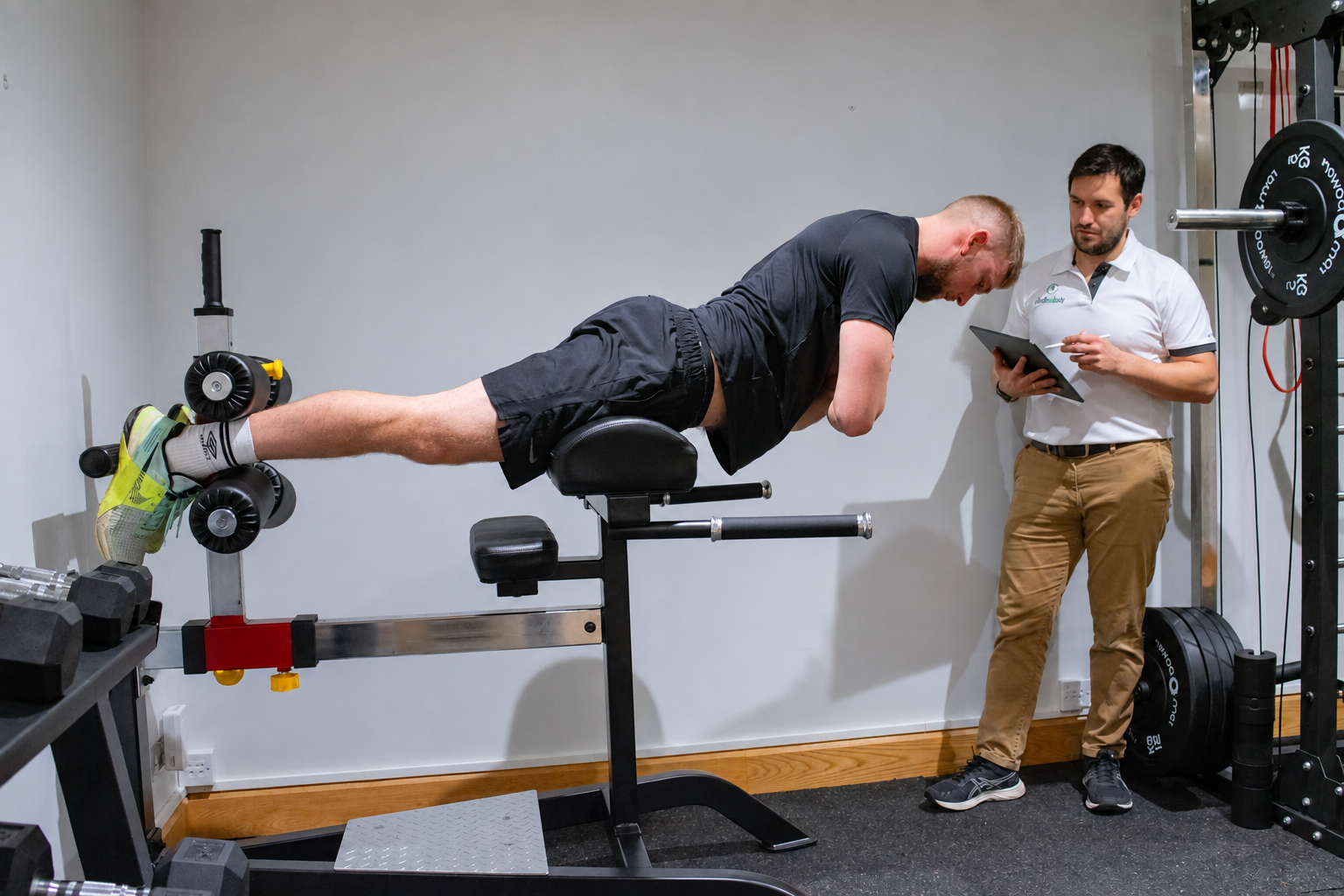
Chiropractors focus on the muscles and joints, particularly the spine, and how they relate to the nervous system.
Chiropractic was founded by Daniel David Palmer, who gave his first adjustment in Davenport, Iowa, on 18 September 1895.
The spinal adjustment: a quick thrust to a joint, often with a click, also called a high-velocity thrust (HVT). Research shows the adjustment on its own gives only modest, mostly short-term relief, and it does no better than exercise (see the next section). Most chiropractors also use soft tissue work, exercise and advice.
Chiropractic degrees take four to five years. There is no chiropractic degree in Ireland, so Irish chiropractors train abroad, mostly in England or Wales. The professional body here is the Chiropractic Association of Ireland, founded in 1983.
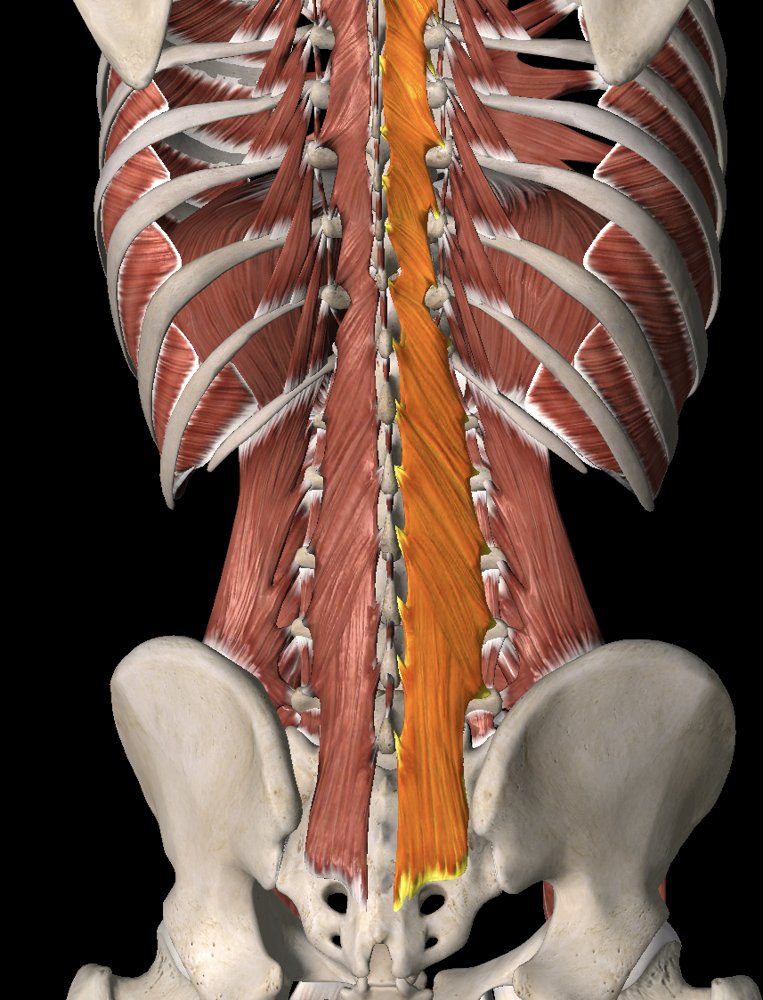
The quick thrust (HVT) that often makes a click or pop is the treatment most people link with chiropractors. Osteopaths use it too.
For long-term low back pain, a large review of 47 trials found it gives about the same relief as other recommended treatments such as exercise. The benefit is clearest in the first month.
Against a sham (pretend) thrust, the extra benefit for pain was small or unclear.
The UK’s NICE guidelines say it should only be used as part of a package that includes exercise.
Gas released inside the joint. It is not a bone going back into place, and a louder click does not mean a better treatment.
How we use it.Our osteopaths use HVT sparingly, and always alongside hands-on work and exercise in our rehab gym, so the relief lasts longer than the session.
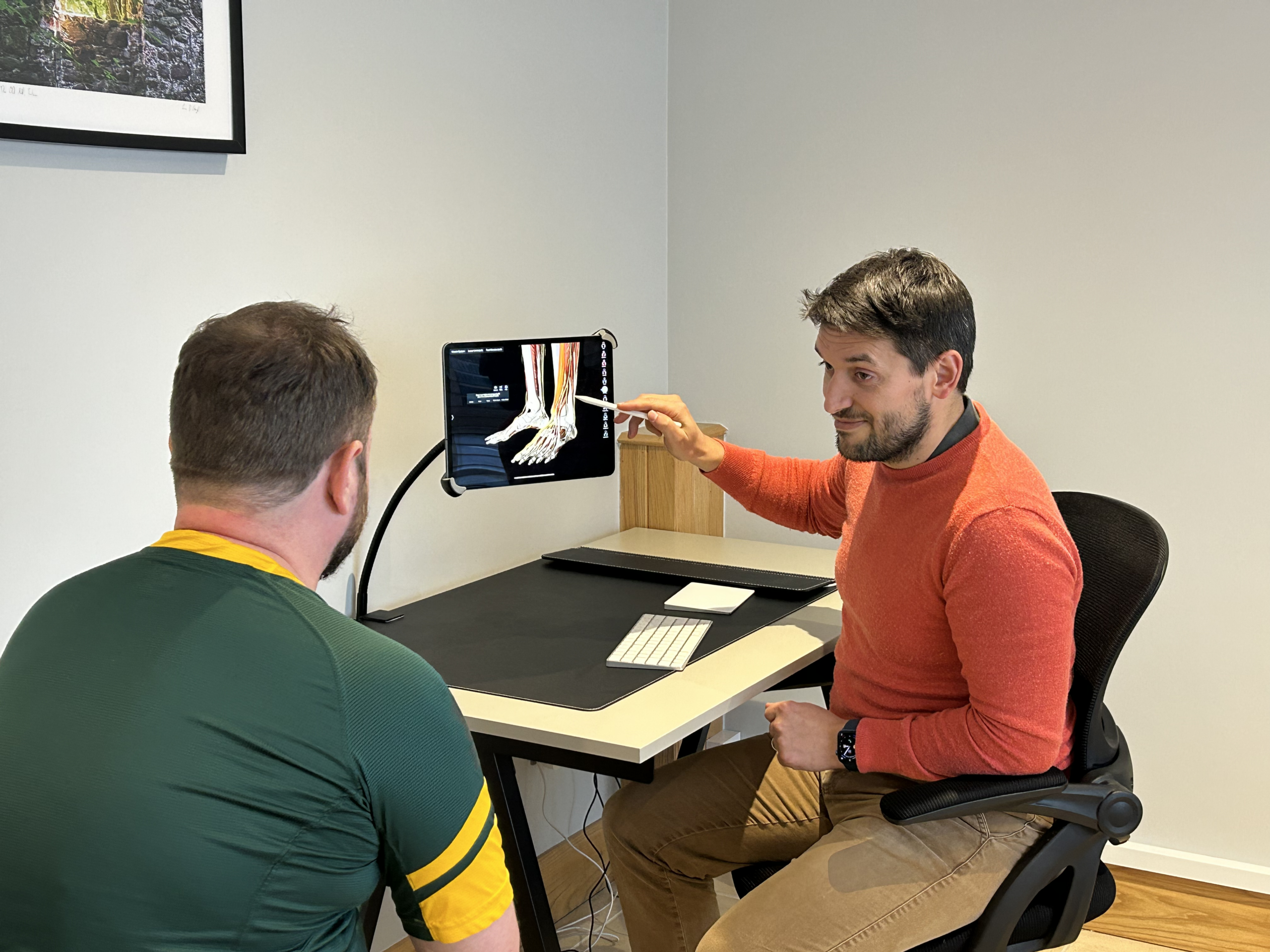
The title matters less than the person and the plan. A good practitioner of any of the three should:
Be cautious about signing up to a long block of sessions, or very frequent visits, before you have been properly assessed. Whoever you see, you should be doing more for yourself as the weeks go on, not less.
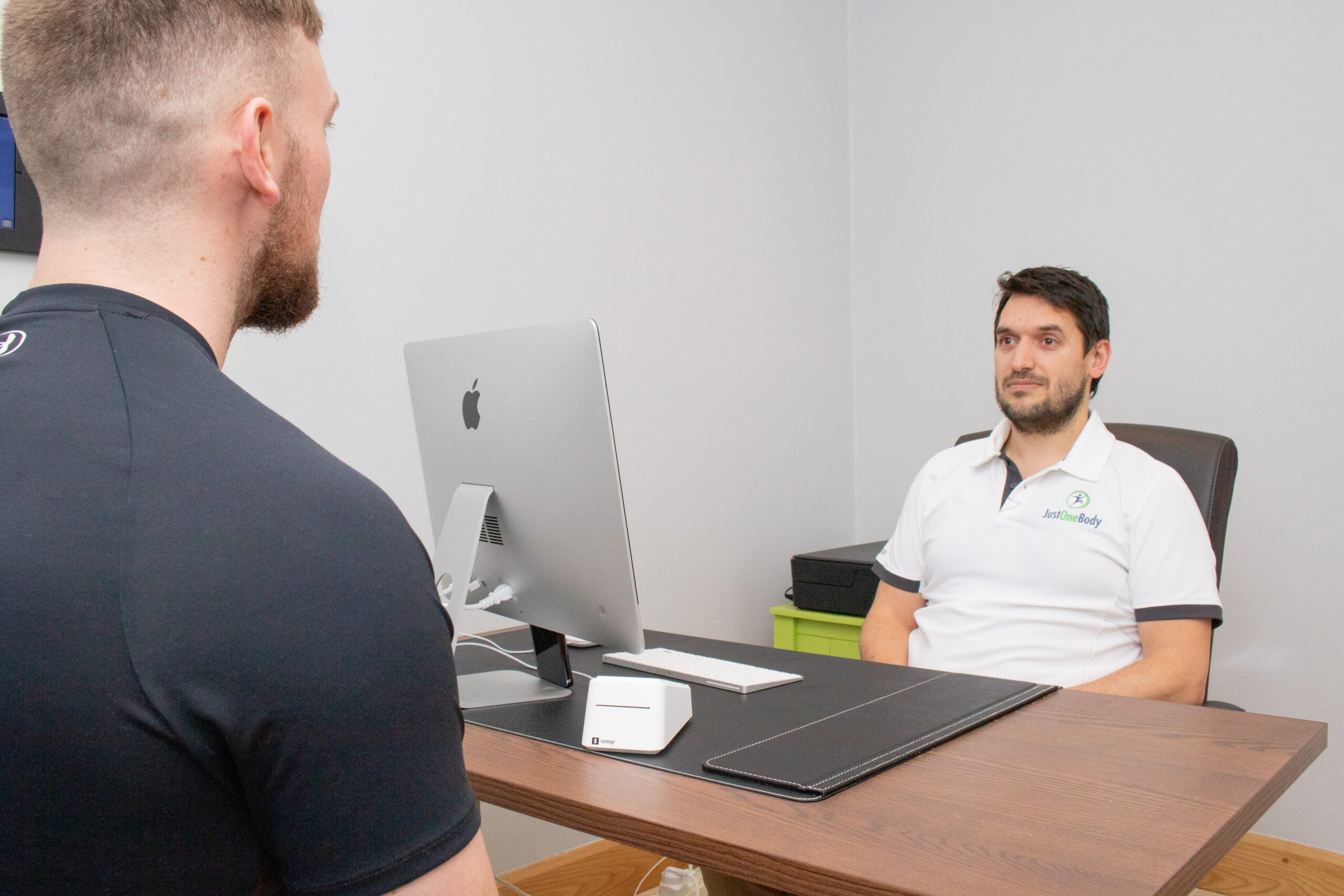
It is fair to ask about training and which professional body someone belongs to. If you are claiming on health insurance, check your policy, as cover depends on the plan and the practitioner.
Most back and neck pain is not serious, but these signs need checking first.
Just One Body is in Raheen, New Ross, Co. Kilkenny, with free parking at the door.
Both trained at the British School of Osteopathy in London and are members of the Osteopathic Council of Ireland.
Book directly. Kieran and Brian are registered with VHI, Laya Healthcare and Irish Life Health, and you get a receipt after each visit.
We have our own rehab gym, so hands-on work and your exercise plan happen together.
About seeing an osteopath in New Ross, our Back Pain Clinic, our guide to sciatica and the conditions we treat.
Not sure who you need? Book a free 15-minute chat and we will point you in the right direction, even if that is somewhere else. Or call 051 432 006.
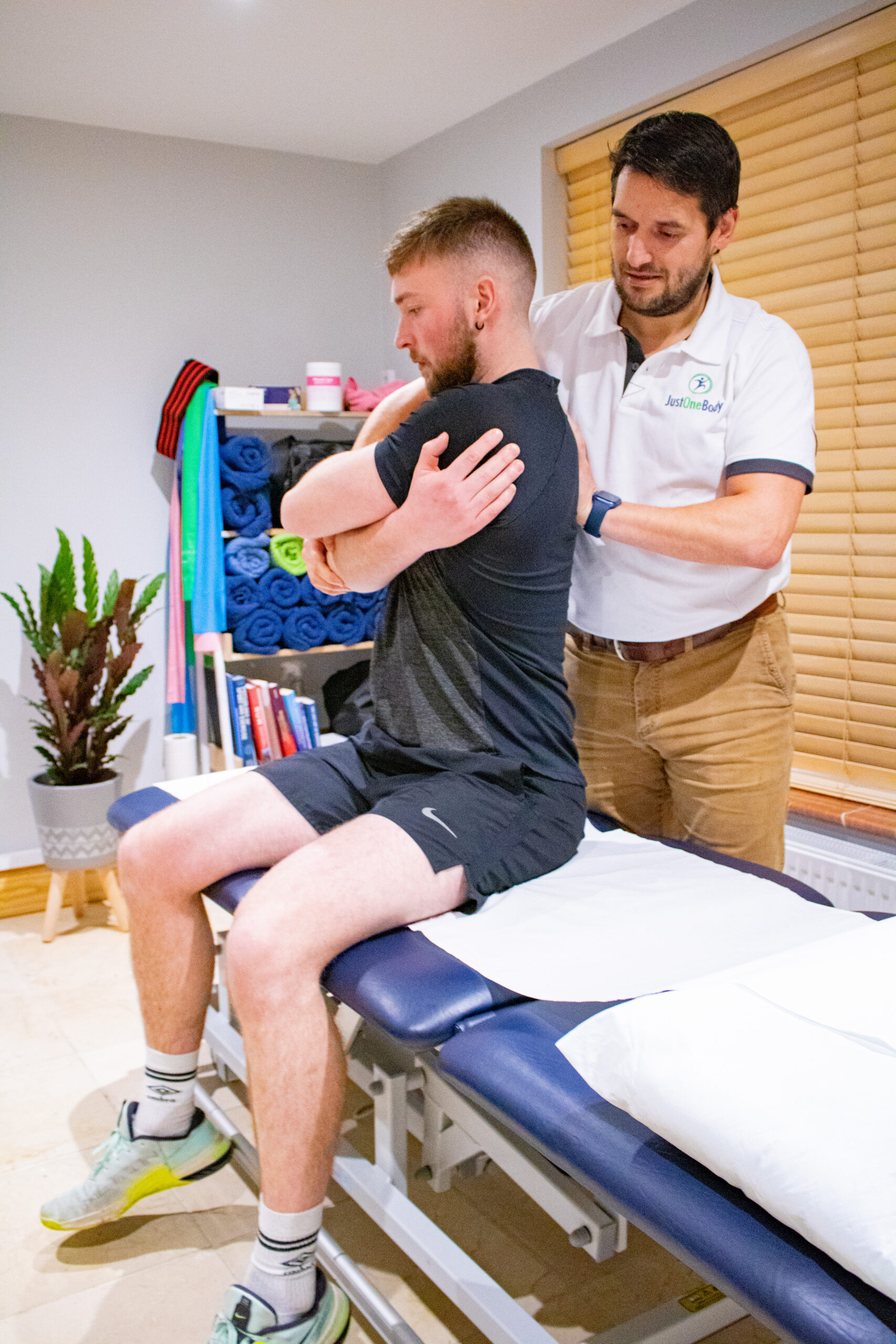
Neither is better for everyone. Both assess and treat back pain with hands-on work and exercise. Chiropractors tend to focus more on the spine and adjustments, and osteopaths look more at the whole body. Choose the person who explains things clearly and gives you a plan.
Osteopaths are known for hands-on assessment and treatment of the whole body. Physiotherapists train across a wider range of areas, including hospital, heart, breathing and neurological care, and usually lean more on exercise. For muscle and joint problems, the two overlap a lot.
No. You can book an osteopath at Just One Body directly. If you are claiming on health insurance, check what your plan covers.
Yes, but give one plan a fair go before switching. Mixing several treatments at once makes it hard to know what is helping.
This article is general information, not medical advice. If you are worried about your symptoms, please speak to your GP.