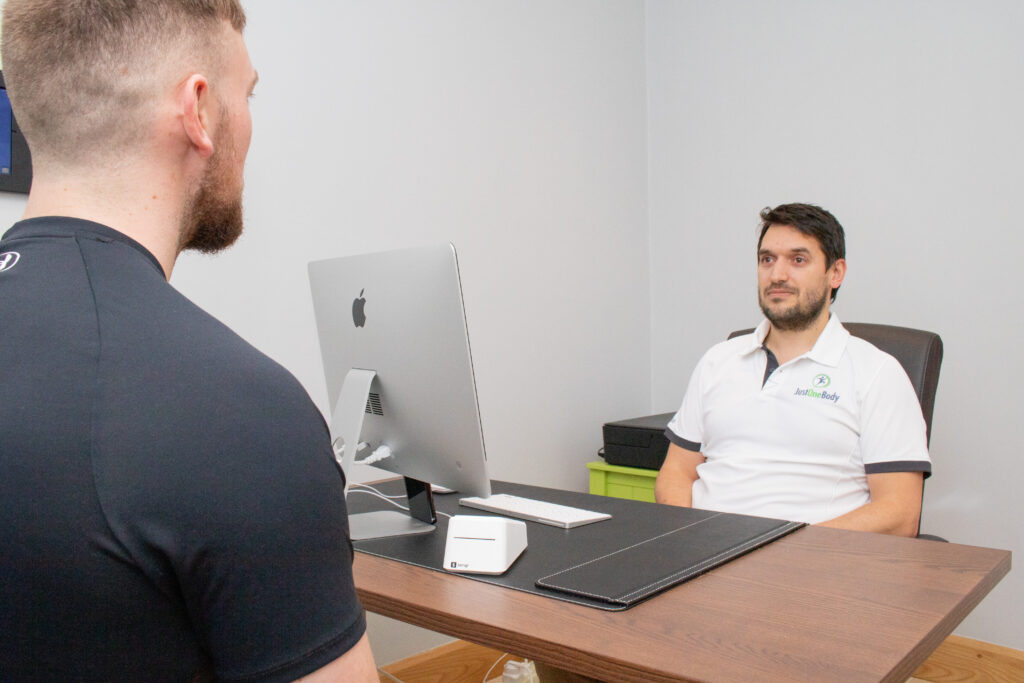
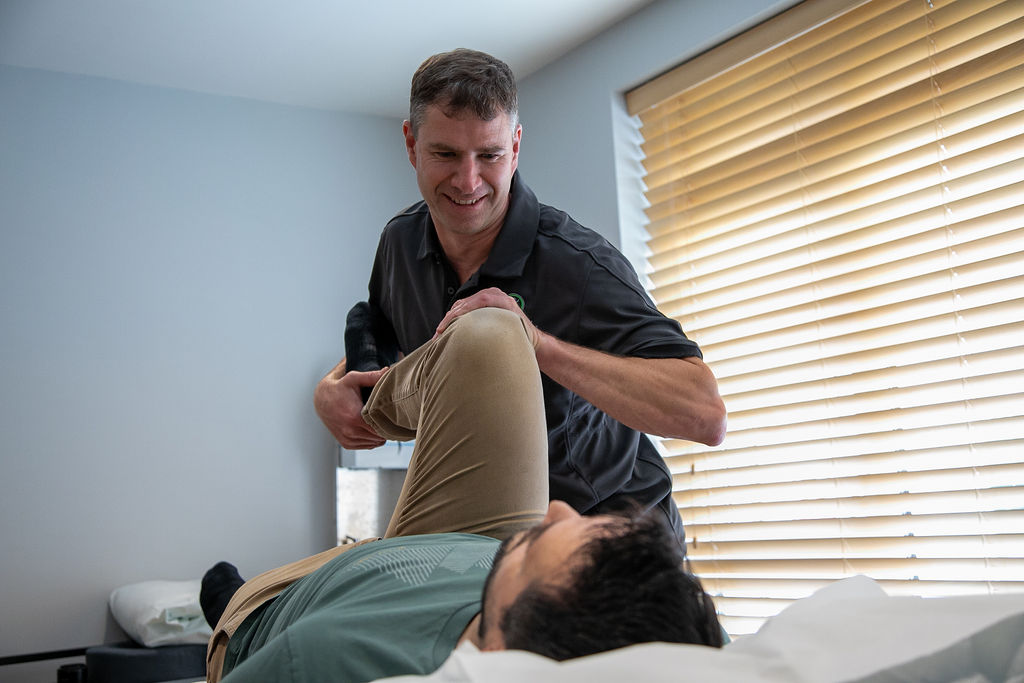
A sore back, a stiff back, or pain running into your buttock or leg. Our team sees it every week at Just One Body in Raheen, New Ross. We find out what may be behind it, then plan care that can include hands-on treatment, plain advice and simple exercises.
No GP referral needed. Free parking. Easy to reach from Wexford, Waterford and Kilkenny.
Back pain usually falls into a few patterns. Here is what each one often means.
Sore to bend, sit, lift or stand up straight, and it can ache into the buttock. This is the most common reason people come to us. It is often a strained muscle or an irritated joint, and it often responds well to hands-on treatment, advice and exercise.
Aching or stiffness between the shoulder blades or around the ribs. Turning, reaching or taking a deep breath can catch. It is often a stiff joint where the ribs meet the spine, or tight muscles after long hours at a desk or behind the wheel.
Your back locks or catches while lifting, gardening or getting out of the car. It can be very sore for a few days, but it is usually a strained muscle or joint, and many ease within a few weeks with the right movement.
Pain, tingling or numbness running down one leg. This may be an irritated nerve (sciatica), but leg pain is not always a nerve problem. We check the pattern and test the nerves to work out what is most likely going on. More about sciatica.
Pain that flares, settles and flares again over months or years. We look at what sets it off, build strength and movement step by step, and give you a plan for the next flare so it does not take over.
Not sure where to start? You do not need a diagnosis to book. Talk it through with us first.
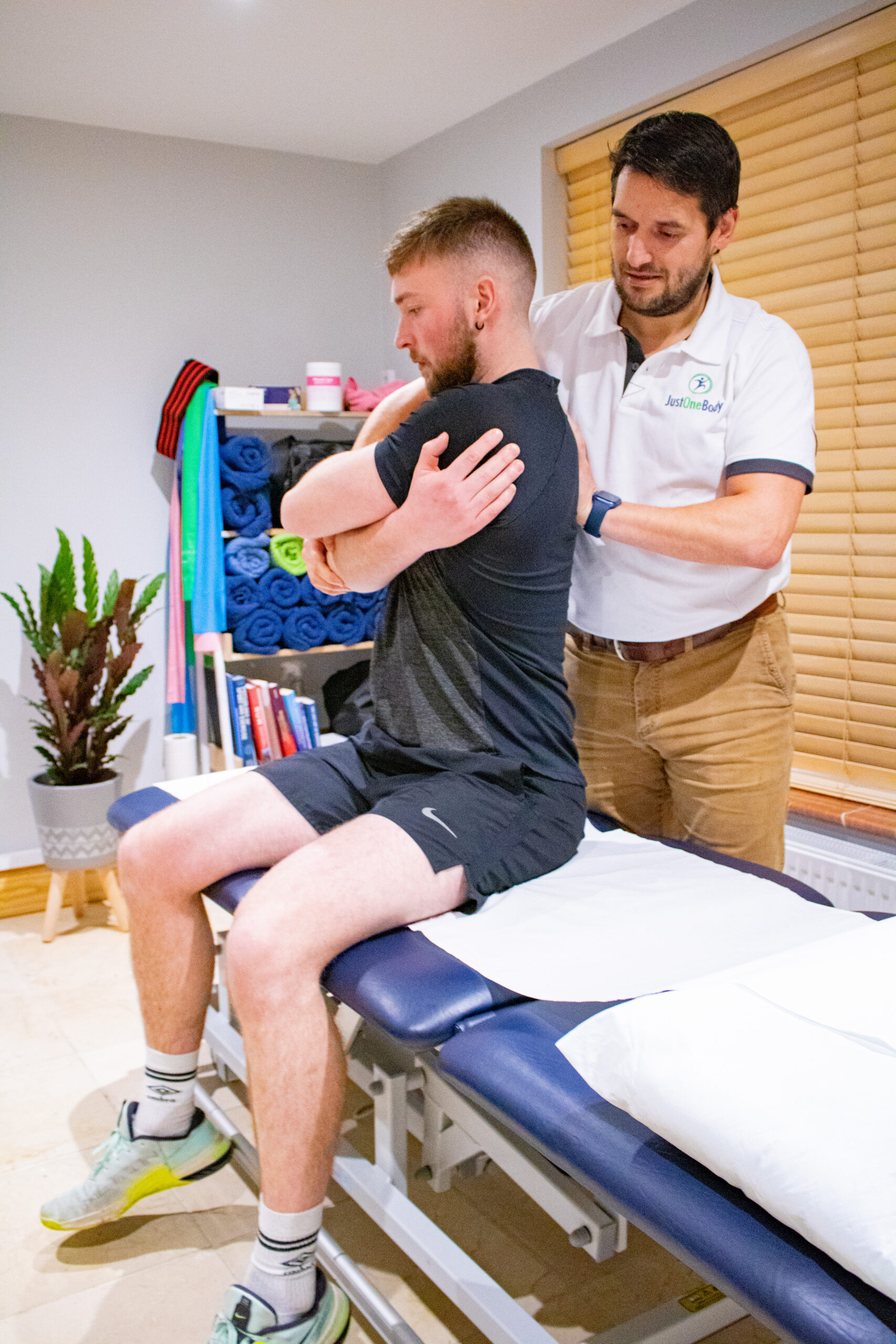
Most back pain is not an emergency, but a few signs are.
If you have back or leg pain with any of these (do not drive yourself):
If you have back pain with any of these:
None of these? Book in as normal.
Not sure whether yours counts? Call us on 051 432 006 and we will tell you honestly whether it needs urgent care.
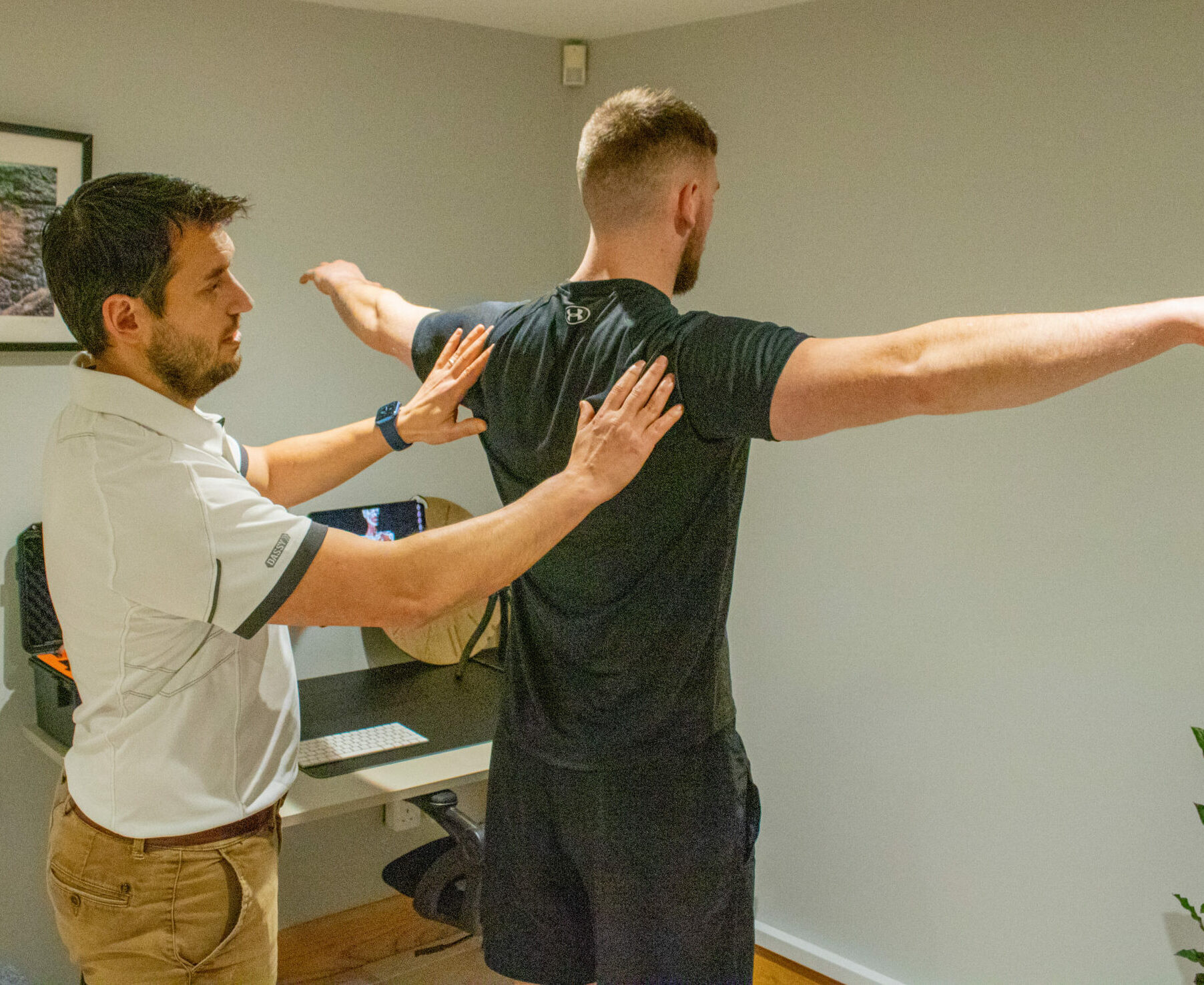
A back is made of bones, discs, joints, ligaments, muscles and nerves. Any of them can get irritated. These are the causes we see most often.
One of the most common causes. A sudden lift, a twist or a long day of bending can strain the muscles along the spine. It can be very sore and stiff for a few days, but muscle strains usually settle well.
The small joints at the back of the spine can get irritated, often after bending, twisting or standing for a long time. The pain is usually on one side, can spread into the buttock, and can be worse when you lean back.
Discs don’t slip, because they are fused to the bone above and below, and a bulge cannot be pushed back in. A disc can bulge outwards, though, and sometimes this irritates a nearby nerve. Many disc bulges settle with time and the right movement.
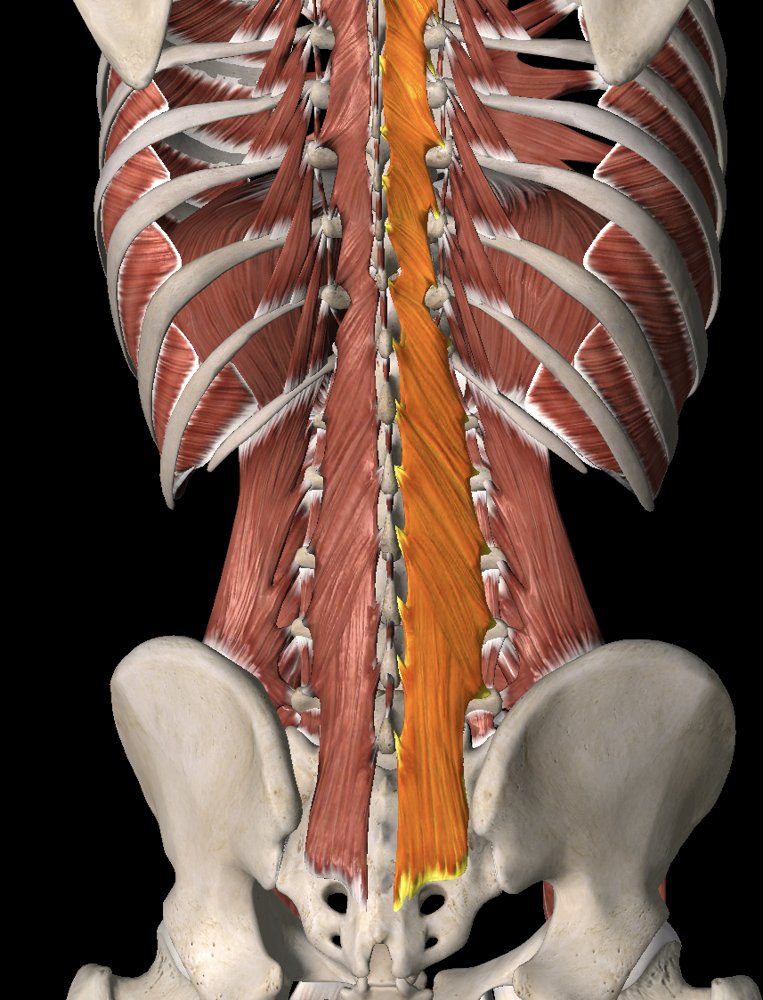
A nerve leaving the spine can get irritated and send pain, tingling or numbness down the leg. This is often called sciatica. In older adults, narrowing of the space around the nerves (spinal stenosis) can cause leg pain on walking that eases when you sit or bend forward.
The joint where the base of the spine meets the pelvis can cause pain low in the back and buttock, usually on one side. It is common in pregnancy and after a fall or a jolt.
Changes in the discs and joints that come with age, sometimes called wear and tear. They are very common and often painless, so they are not always the cause of your pain.
Everyday life plays a part too. Long sitting, a heavy job, poor sleep, a sudden change in activity, stress or an old injury can all add to a sore back. Our sleep guide covers one piece of this.
Scan changes are common. Scans often show disc and joint changes in people with no back pain at all, so we look at you, not just a picture.
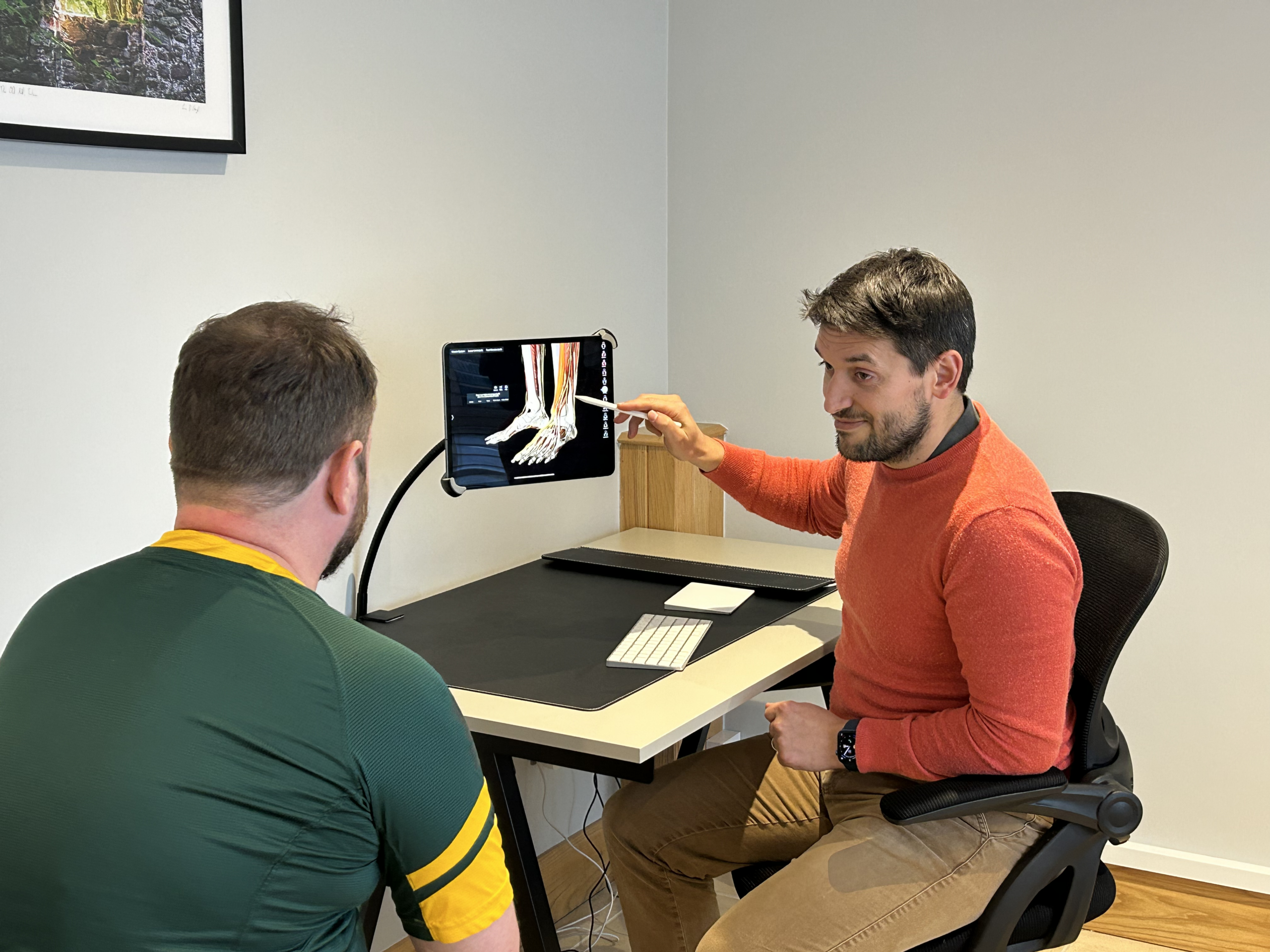
It varies, and we will be honest with you about it. A simple joint or muscle strain may settle within a week or two. A disc problem with leg pain can take longer, sometimes months. Many episodes of back pain do ease, and most people do not need to stop living while they wait.
Our job is to help that along, keep you moving and give you a clear plan. If progress stalls, we say so and talk about next steps, which may include your GP.
Keep moving where you can. Gentle activity usually helps a sore back more than bed rest. We show you what is safe to do while it settles.
Thirteen exercises for back pain, from gentle to harder. Go slowly and stay in a comfortable range. Stop if pain increases or spreads into a leg.
 Torso side bendingEases stiffness through the sides of the back.
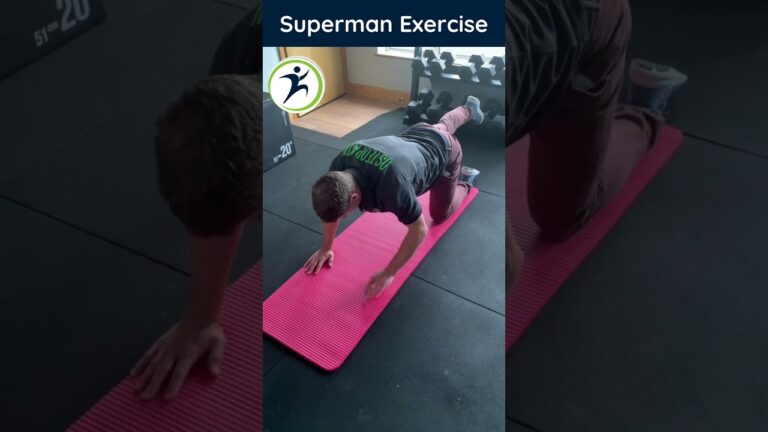 SupermanWakes up the muscles along the spine.
 Back extensionHelps a back that is sore from sitting.
 Knee rollsLoosens the lower back.
 Hip flexor stretchTight hips can pull on the lower back.
 Jefferson curlRoll down one bone at a time. Start with no weight and a small range.
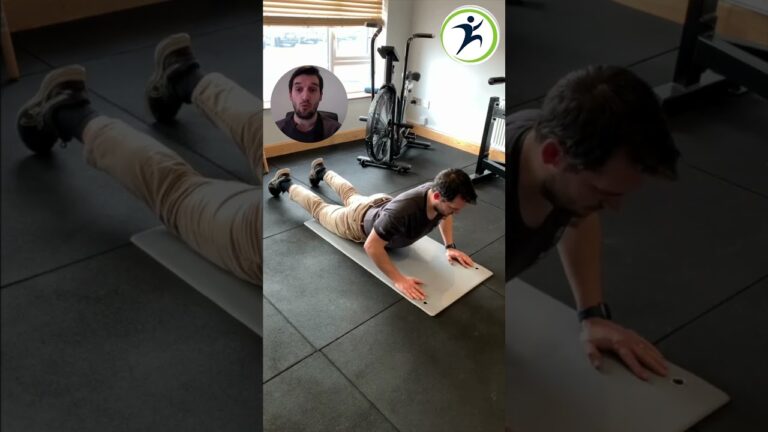 CobraPress up through the hands and let the back arch.
 Standing cobraHands on your lower back, lean gently backwards.
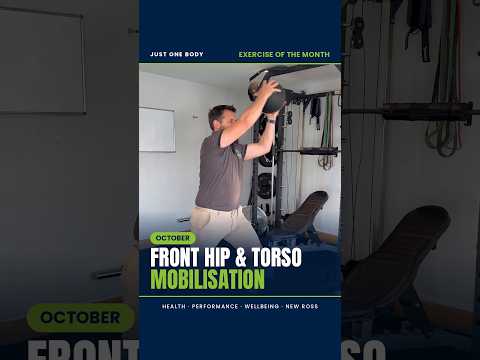 Front of hip and torsoOpens up the front of the hip and torso.
 DecompressionLie on your back with your feet up on a chair or wall, then slide and roll gently.
 Knee hugsLie on your back and hug one knee, then both, rolling gently side to side.
 Pigeon stretchOn a bed or sofa, bring one knee across and ease forwards and back.
 SlouchingSlide down in your seat. For some types of back pain this eases things.
Not sure which ones are right for you? After your assessment we send you the exercises that suit your back, with clear video instructions.
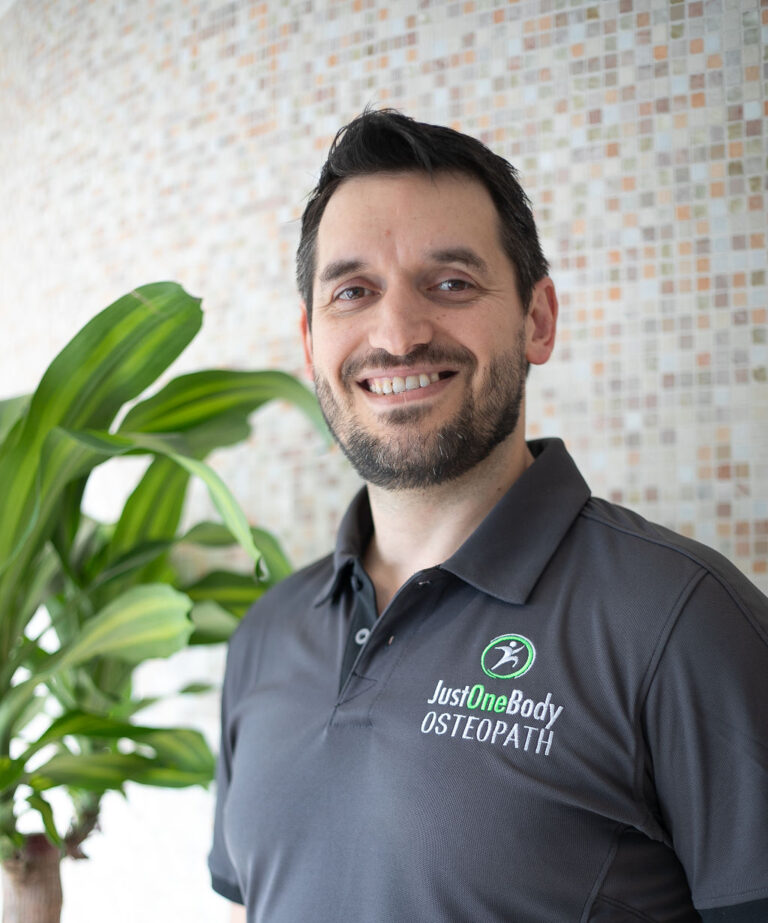
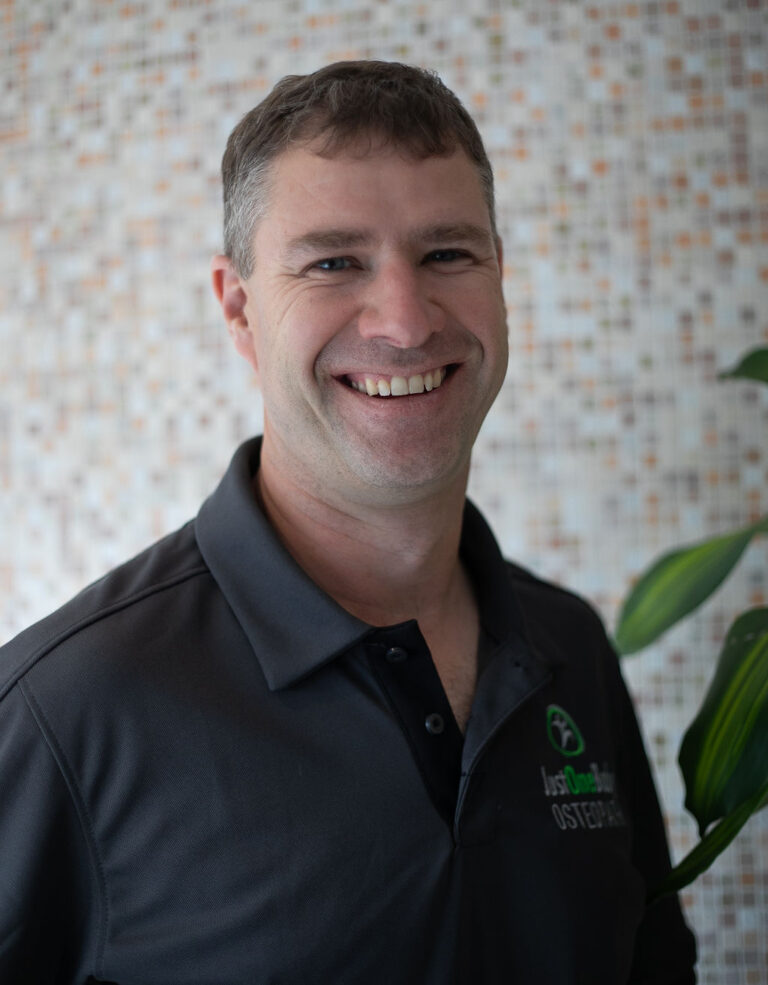
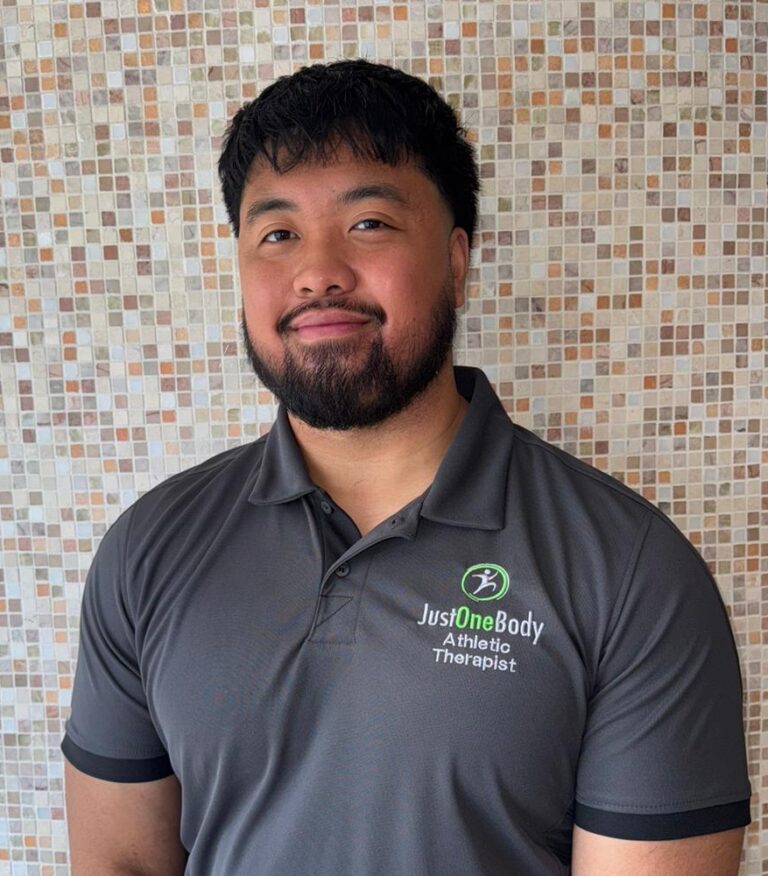
Click a name to read about them. You can ask for a particular person when you book.
Osteopathy with Kieran or Brian is recognised by:
Athletic therapy with Dustin is recognised by:
Level Health, HSF and other insurers also accept our receipts for claims. How much you get back depends on your plan, so check your own policy. You get a receipt for every visit. See all prices.
Not sure where to start? Book a free 15-minute chat, or see our General Clinic.
For ordinary back pain, gentle movement usually helps more than bed rest. Keep doing light activity as pain allows. Short walks help many people, but walking can feel sore at first with some types of back pain. If walking hurts, try shorter, gentler movement and change position often, or ask us what suits your back.
Many episodes ease within a few weeks. Disc or nerve problems can take months. Everyone is different, and we will give you an honest view after we assess you.
Discs don’t slip, because they are fused to the bone above and below, and a bulge cannot be pushed back in. They can bulge or break through their outer layer, and doctors describe four types. They feel different:
Many sore backs are not disc problems at all. An assessment helps tell the difference. Read how doctors describe the four types.
Yes. Our osteopaths and athletic therapist see sciatica-type leg pain often. Care may include hands-on treatment, movement advice and exercises, depending on what the assessment finds. If we see signs that need a doctor, such as weakness that is getting worse, we will talk you through the best next step, which may be your GP, who can arrange further medical investigation if needed.
Most back pain, even when it is very sore, is not serious. A small number of problems do need quick medical attention, and they are listed under When to get help straight away. It is also worth getting checked if the pain is constant and does not ease with any position, keeps waking you at night, or started after a fall.
If you are worried and not sure, call us on 051 432 006 or book a free 15-minute chat. We will tell you honestly what we think the next step should be.
Usually not. A scan shows what the spine looks like, not always what is causing your pain, and the two often do not match. A large review of studies found that disc bulges showed up on scans in about 3 in 10 people aged 20 who had no back pain, and in more than 8 in 10 people aged 80 with no back pain. Many of these “findings” are just normal age changes, a bit like wrinkles. They can be red herrings, and being told about them can cause worry or lead to treatment that does not help.
That is why we start with your story and a hands-on assessment. We suggest imaging, through your GP, only when the assessment points to it. Read the study (American Journal of Neuroradiology, 2015).
No. You can book directly with us online, or ring us on 051 432 006.
Many people need 2–3 appointments, and longer-standing problems may need more. We tell you our thinking at the first visit and review it as you go.
Both assess and treat back pain. Osteopaths use more hands-on joint and tissue work. Athletic therapists lean towards exercise and rehab for sport and activity. Many patients see both.
Osteopathy with Kieran or Brian is recognised by VHI, Laya Healthcare and Irish Life Health. Athletic therapy with Dustin is recognised by Irish Life Health and Laya Healthcare. Level Health, HSF and other insurers also accept our receipts. Check your own plan for the amount.
Just One Body, Waterford Road, Raheen, New Ross, Co. Kilkenny, Y34 Y594. Free parking at the door. Open map and directions.
Open Mon 8:00–21:00 · Tue 8:30–21:00 · Wed 8:30–21:00 · Thu 8:00–17:00 · Fri 8:30–21:00 · Sat opening soon · Sun closed.
Book an appointment with one of our osteopaths or our athletic therapist. Not sure? Book a free 15-minute chat first.
This page is general information, not a diagnosis. If you have severe, sudden or worsening symptoms, contact your GP or emergency services.