Osteopathy was founded by Andrew Taylor Still, a frontier doctor in the American Midwest, who dated its beginning to 1874. He opened the first school of osteopathy in Kirksville, Missouri, in 1892. From there it crossed the Atlantic, took root in Britain in the early 1900s, and later reached Ireland, where it is practised today by osteopaths trained to degree level.
At a glance
- 1828: Andrew Taylor Still is born in Virginia.
- 1874: Still sets out the ideas that become osteopathy.
- 1892: The American School of Osteopathy opens in Kirksville, Missouri.
- 1902 to 1903: The first American-trained osteopaths arrive in Britain and form their first association.
- 1917: John Martin Littlejohn opens the British School of Osteopathy in London.
- 1936: A voluntary register, the General Council and Register of Osteopaths, is set up in Britain.
- 1993: The Osteopaths Act becomes law in the UK.
- 2000: “Osteopath” becomes a legally protected title in the UK.
- 2019: The Osteopathic Council of Ireland accredits an osteopathy programme taught in Ireland, at a college in Cork.
Who founded osteopathy? Andrew Taylor Still
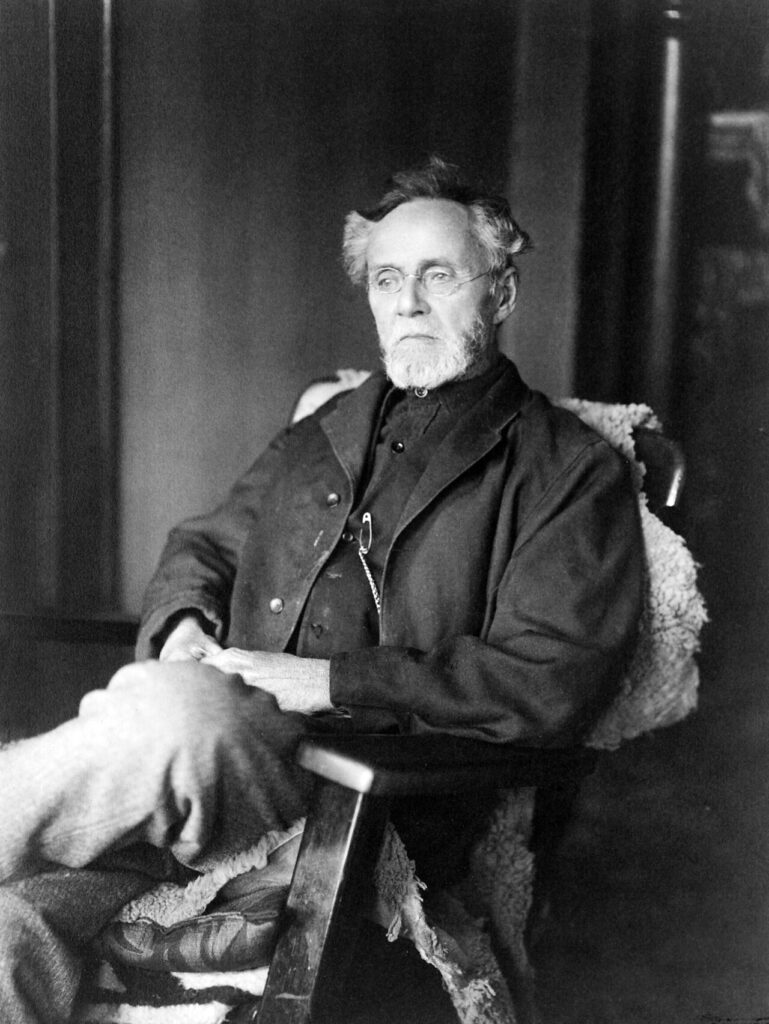
Andrew Taylor Still was born in a log cabin in Virginia in 1828 and learned medicine the way many frontier doctors did, by working alongside his father, who was a practising physician. Medicine at the time had little to offer. In 1864 an outbreak of spinal meningitis killed three of his children. The loss turned him against the harsh remedies of the day and set him looking for a different way to help people.
Still came to believe that the body has its own means of staying well, and that the structure of the body, its bones, muscles and joints, affects how well it works. He thought a practitioner could help by using the hands to examine and treat.
He later named 22 June 1874 as the day osteopathy began. Historians treat that date as symbolic, because the word “osteopathy” was not in use until around 1890. Later in 1874 Still moved to Missouri, and by early 1875 he had settled in Kirksville. In the years that followed he earned his living as a magnetic healer and bonesetter while he worked out his ideas.
The first school in Kirksville
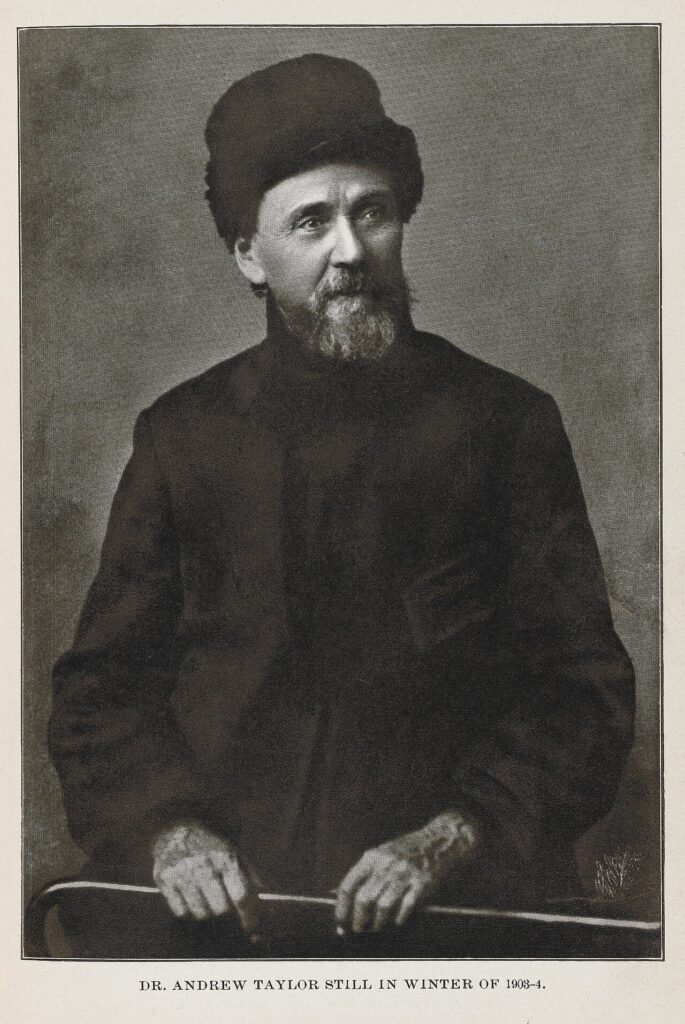
In 1892 Still opened the American School of Osteopathy in a two-room building in Kirksville. The first class had about 21 students, and women were admitted alongside men from the start, which was unusual for the time. The first graduates finished in 1894, among them three of Still’s own children.
The school grew quickly and others followed. A second college had opened by 1898. Still died in Kirksville in December 1917, aged 89. The school he founded is still there, now called A.T. Still University.
How osteopathy came to Britain
The link between Kirksville and this side of the Atlantic is a Scotsman, John Martin Littlejohn. He moved to the United States in 1892 and went to Still as a patient in 1897 with a throat complaint. He stayed on to study osteopathy and by 1899 was dean of the school. He and Still did not see eye to eye on how close osteopathy should stay to mainstream medicine, and Littlejohn left to set up a college in Chicago with his brothers in 1900.
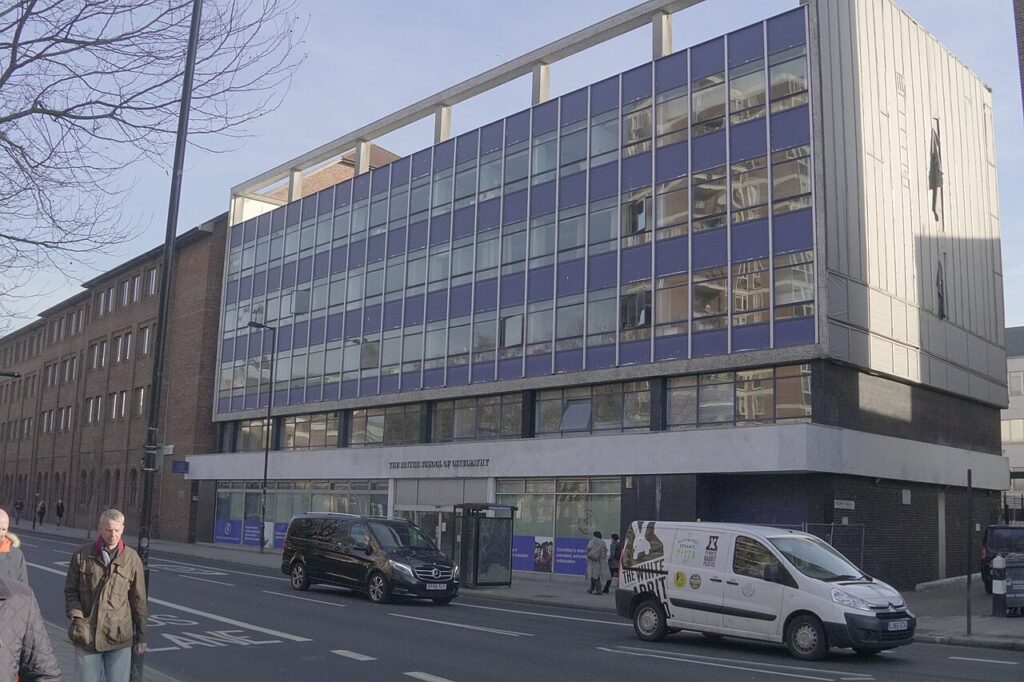
Meanwhile, the first American-trained osteopaths had arrived in Britain in 1902, and an association followed in 1903. Littlejohn came home in 1913 and opened the British School of Osteopathy in London in March 1917. Its first students graduated in 1925. That school still teaches today, as the UCO School of Osteopathy within Health Sciences University.
Osteopathy becomes a recognised profession in the UK
Recognition was slow. Several attempts to create an official register failed in Parliament in the early 1930s, and in 1935 a House of Lords committee turned down another one, advising osteopaths to build a voluntary register and a sound system of education first. The profession did that. The General Council and Register of Osteopaths was formed in 1936.
It took until 1 July 1993 for the Osteopaths Act to become law. The Act set up the General Osteopathic Council (GOsC). Its register opened in May 1998, and since May 2000 it has been a criminal offence in the UK to call yourself an osteopath unless you are on it.
Training in the UK is a four- or five-year degree combining academic and clinical work. In 2017 osteopaths joined the allied health professions in NHS England. At the end of March 2025 there were 5,596 osteopaths on the UK register.
Osteopaths and osteopathic physicians: the American difference
In the United States the profession took a different road. American schools widened their training to cover the whole of medicine, and their graduates, known as DOs, are fully licensed doctors who can prescribe, operate and work in any branch of medicine. There are more than 167,000 of them, about one in nine American doctors.
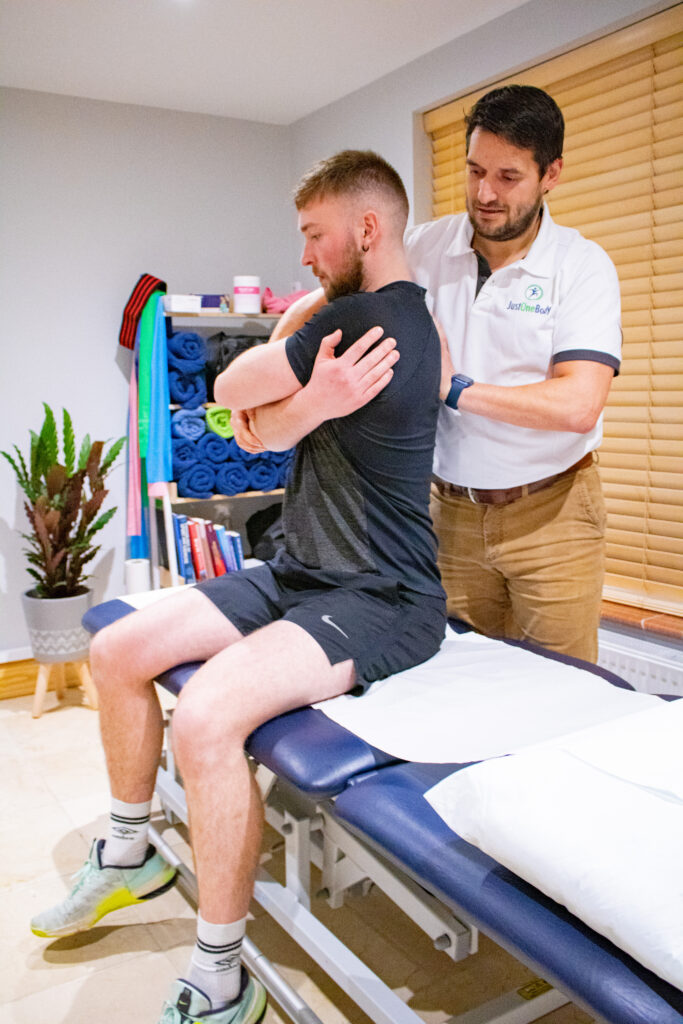
In Ireland, the UK and most other countries, an osteopath is a hands-on practitioner who assesses and treats mainly through manual techniques, and who does not prescribe medicines or perform surgery. Both groups trace back to Still. The Osteopathic International Alliance counts roughly 172,000 osteopathic physicians and 89,000 osteopaths worldwide.
Osteopathy in Ireland
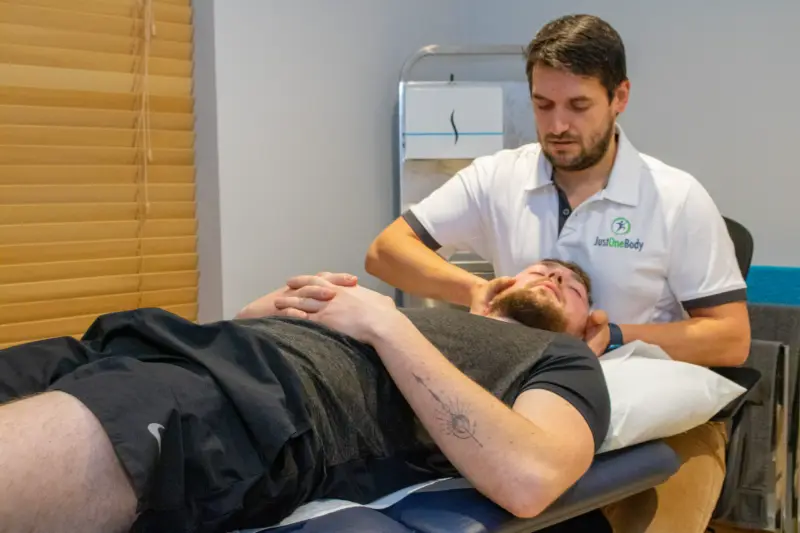
Ireland had its own long tradition of bonesetters before osteopathy arrived, and one Cork osteopath told The Irish Times in 2004 that this history partly explained why osteopathy was not more mainstream here, adding that many people did not know osteopaths complete a four-year degree. By then there was an Irish Osteopathic Association, and some health insurers were paying back part of the cost of treatment.
For most of that time, Irish osteopaths trained abroad, mainly in Britain, because there was no recognised course at home. That changed in 2019, when the Osteopathic Council of Ireland (OCI) accredited a five-year part-time programme at the Irish College of Osteopathic Medicine in Cork, with its final degree year validated through UK partners. Many osteopaths working in Ireland still hold UK degrees.
The Osteopathic Council of Ireland (OCI) has been the professional body for osteopaths in the Republic since 2009. Its members need at least a degree in osteopathy, professional insurance, 30 hours of continuing education a year, and first aid and child protection training.
How it compares
Osteopathy grew up as its own system, with hands-on assessment and treatment of the whole body at its centre. Physiotherapy is a separate profession with a strong base in hospitals and exercise-based rehabilitation. Athletic therapy and sports rehabilitation focus on injuries in active people, from the pitch side through to return to sport. Sports and deep tissue massage works on the muscles and soft tissue. In day-to-day practice the methods often overlap.
Osteopathy and health insurance
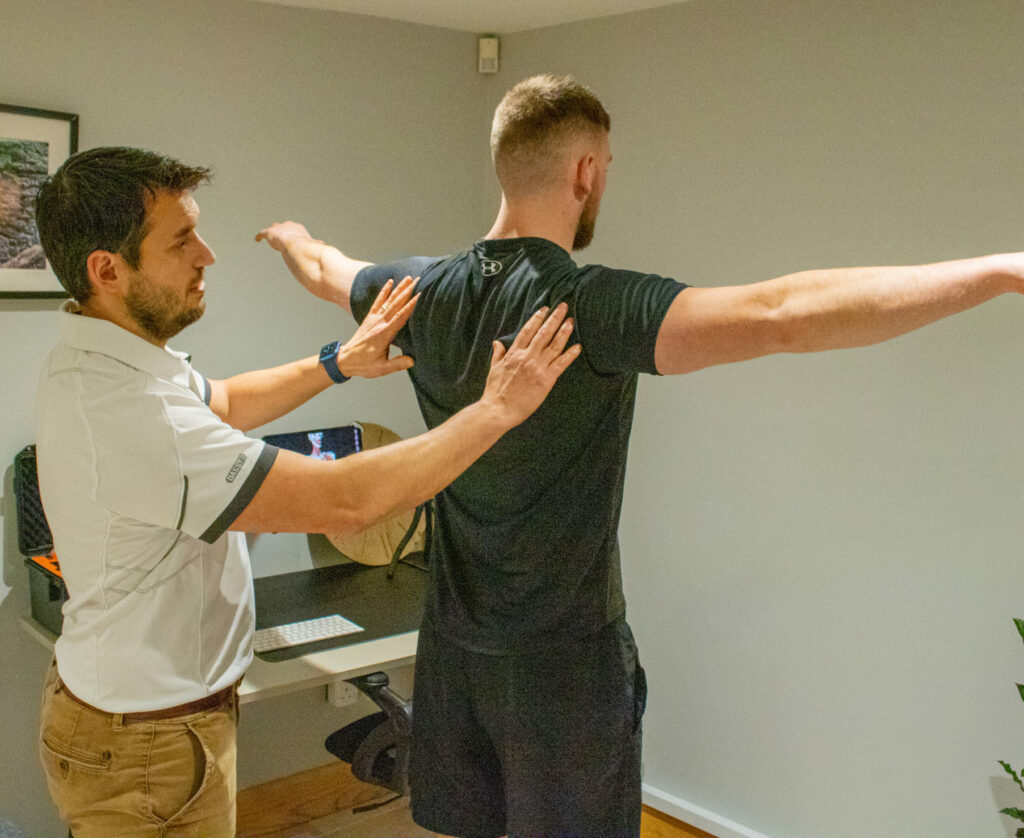
One sign of how far osteopathy has come in Ireland is that the main health insurers now pay towards it on many of their plans. Insurers normally ask that your osteopath belongs to a professional body they recognise, such as the Osteopathic Council of Ireland.
Kieran and Brian are both registered with Laya Healthcare, Irish Life Health and VHI. How much you can claim back, and for how many visits a year, depends on your own plan, so check your policy or ring your insurer. We give you a receipt after each visit to send in with your claim.
Osteopathy at Just One Body
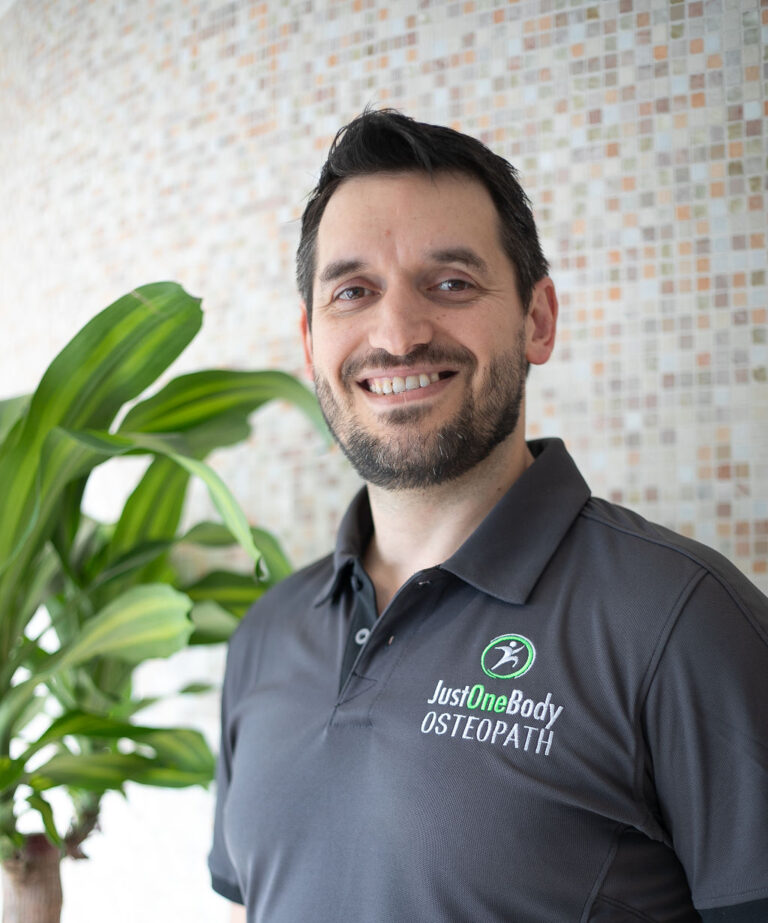
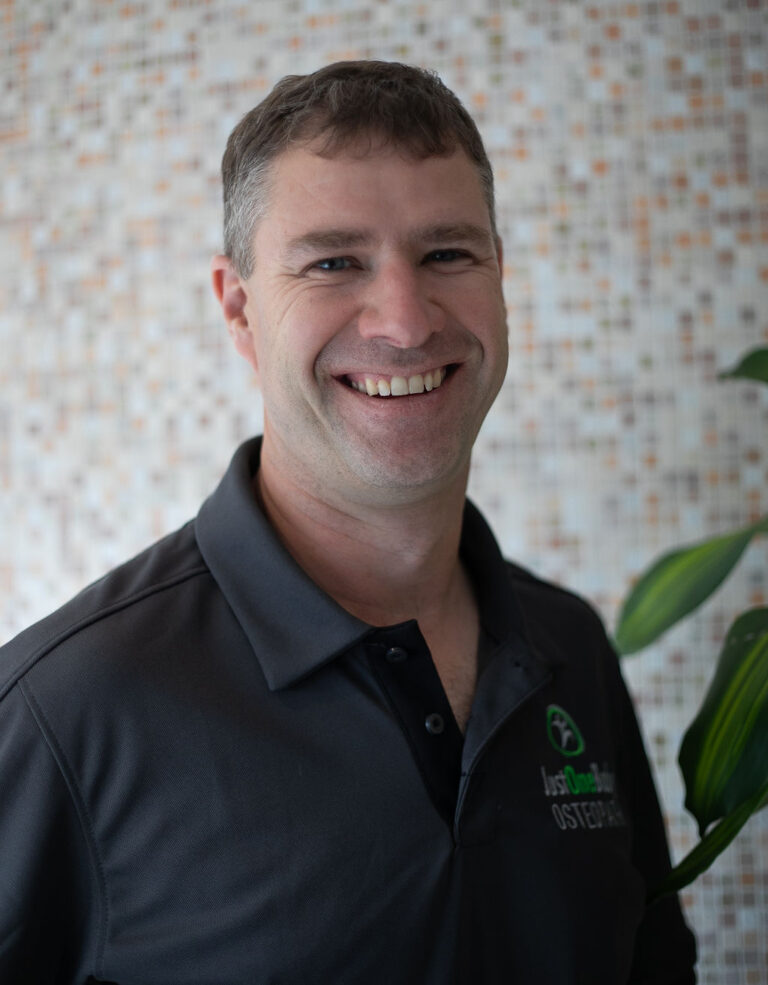
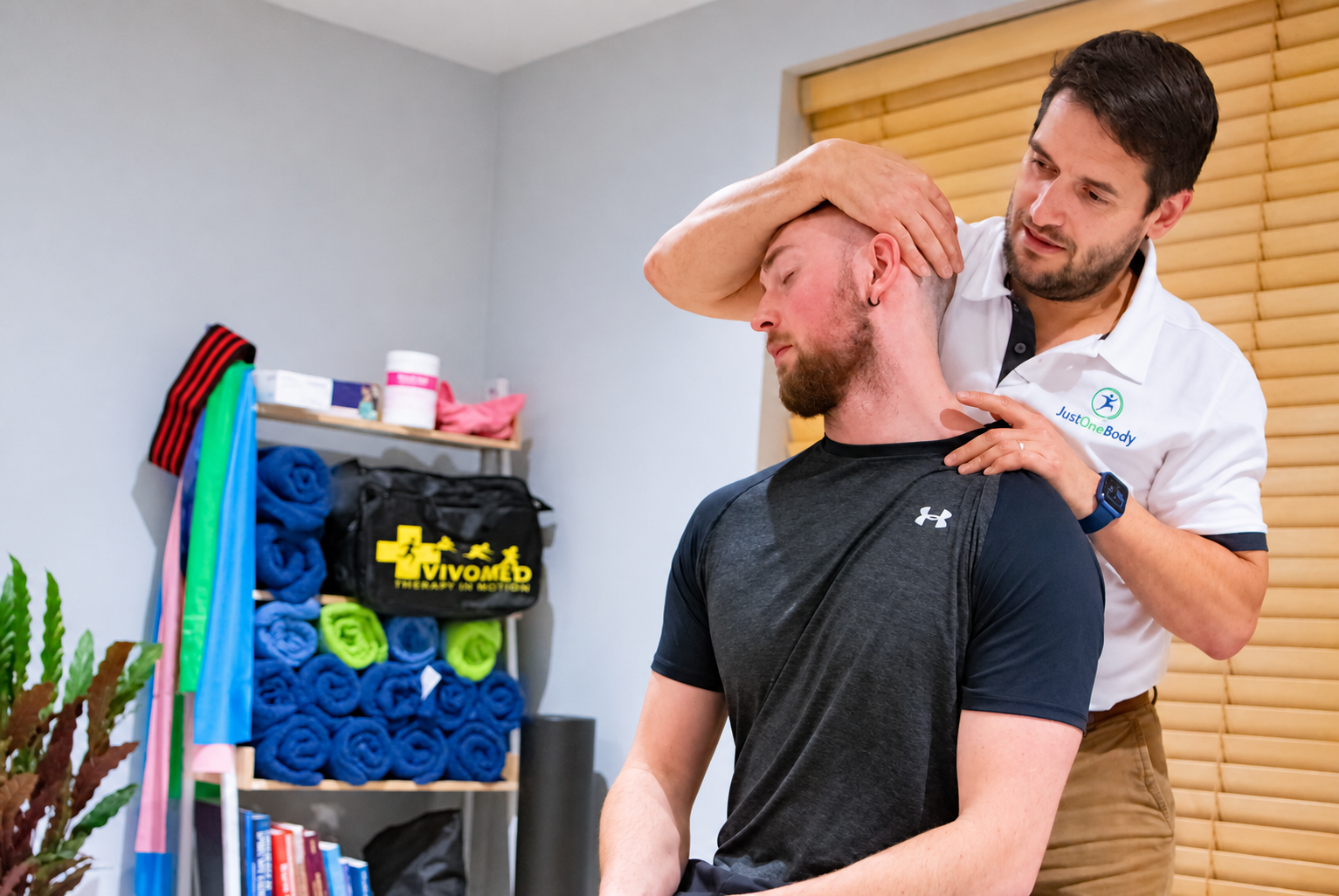
Just One Body in Raheen, New Ross, is home to osteopaths Kieran Lowe and Brian O’Shea. Both trained at the British School of Osteopathy in London, the school John Martin Littlejohn founded, which later became the University College of Osteopathy and is now part of Health Sciences University. Both are members of the Osteopathic Council of Ireland, and Kieran was registered with the General Osteopathic Council while he practised in the UK. They see people from across Wexford, Kilkenny and Waterford, and the clinic has its own rehab gym. To see an osteopath, book online through this website or phone 051 432 006.
Frequently asked questions
Who invented osteopathy?
Osteopathy was founded by Andrew Taylor Still, an American frontier doctor born in Virginia in 1828. After losing three of his children to meningitis in 1864, he went looking for a different approach to health. He dated the start of osteopathy to 1874 and opened the first school in Kirksville, Missouri, in 1892.
When and where did osteopathy start?
Still gave 22 June 1874 as the starting date, although the word “osteopathy” only came into use around 1890. The first school, the American School of Osteopathy, opened in 1892 in Kirksville, Missouri. It began in a two-room building and is now A.T. Still University.
Who brought osteopathy to Britain and Ireland?
American-trained osteopaths were working in Britain from 1902. John Martin Littlejohn, a Scot who had studied and taught under Still, opened the British School of Osteopathy in London in 1917. For generations, Irish osteopaths trained in Britain and brought the profession home with them.
Is osteopathy covered by health insurance in Ireland?
Many Irish health insurance plans pay part of the cost of osteopathy, as long as the osteopath belongs to a professional body the insurer recognises. Kieran Lowe and Brian O’Shea at Just One Body are registered with Laya Healthcare, Irish Life Health and VHI. The amount you get back depends on your plan.
Are osteopaths doctors?
In Ireland and the UK, no. Osteopaths are degree-trained practitioners who assess and treat with their hands, and they do not prescribe medicines or perform surgery. In the United States, osteopathic physicians (DOs) are fully licensed medical doctors. The two share a founder but are different professions.
How long does it take to train as an osteopath?
Four to five years. UK osteopathy degrees take four or five years and combine academic study with clinical training. The programme accredited by the Osteopathic Council of Ireland in Cork runs for five years part-time.
More in this series
This is the first in our series on where today’s hands-on and exercise therapies came from. Still to come: the history of physiotherapy, athletic therapy, sports rehabilitation, and sports and deep tissue massage.
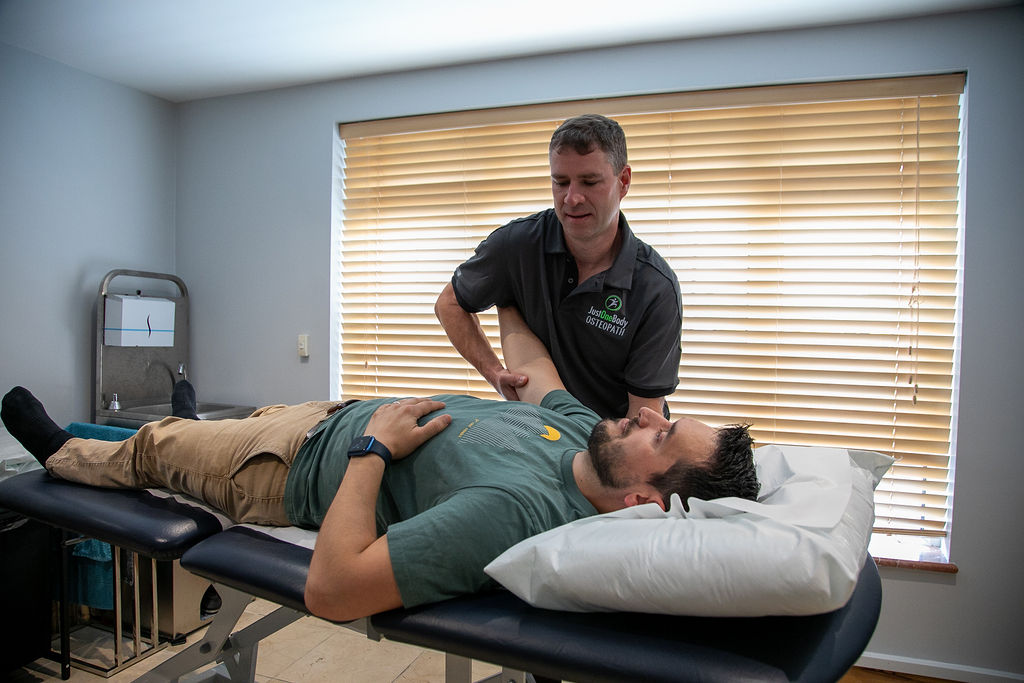
Want to see an osteopath?
Not sure if osteopathy is right for you? Start with a free 15-minute consultation at Just One Body in Raheen, New Ross.
This article is general information about the history of osteopathy. It is not medical advice. Last reviewed: November 2026.


